
1 — Alex Bag , DOLLS, 2025
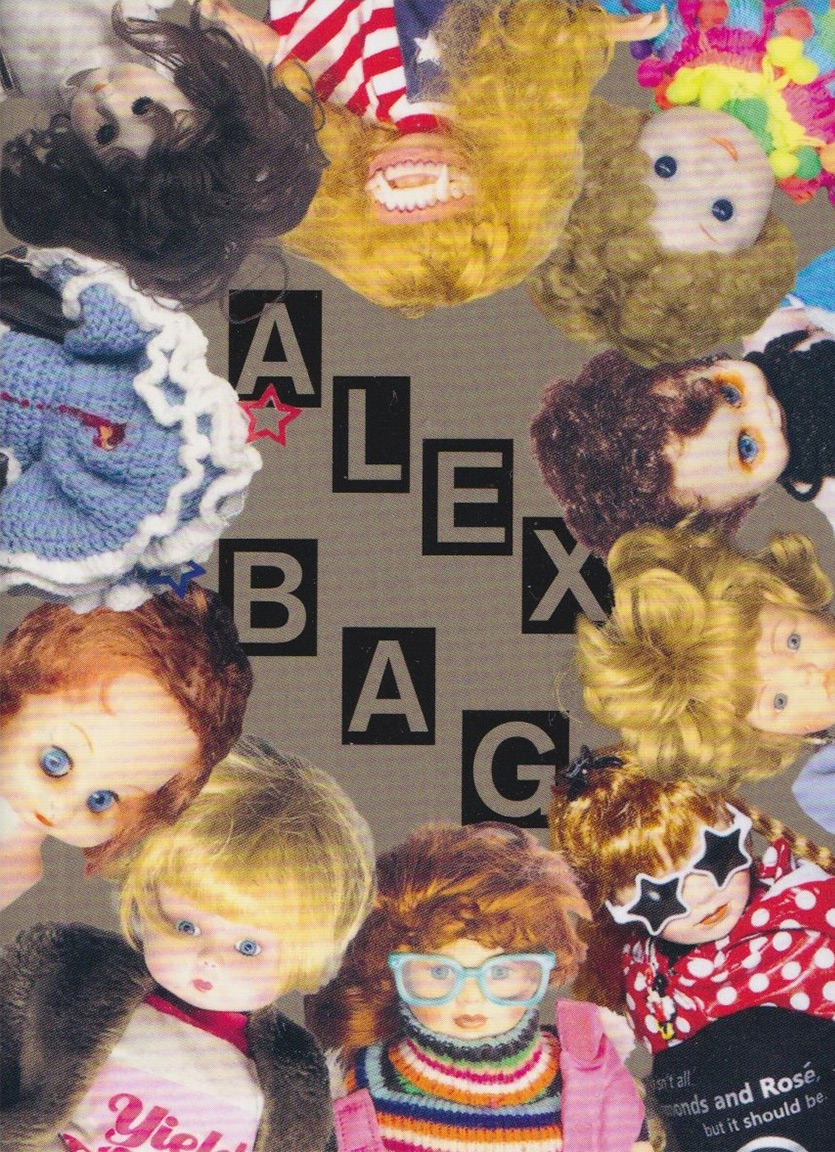
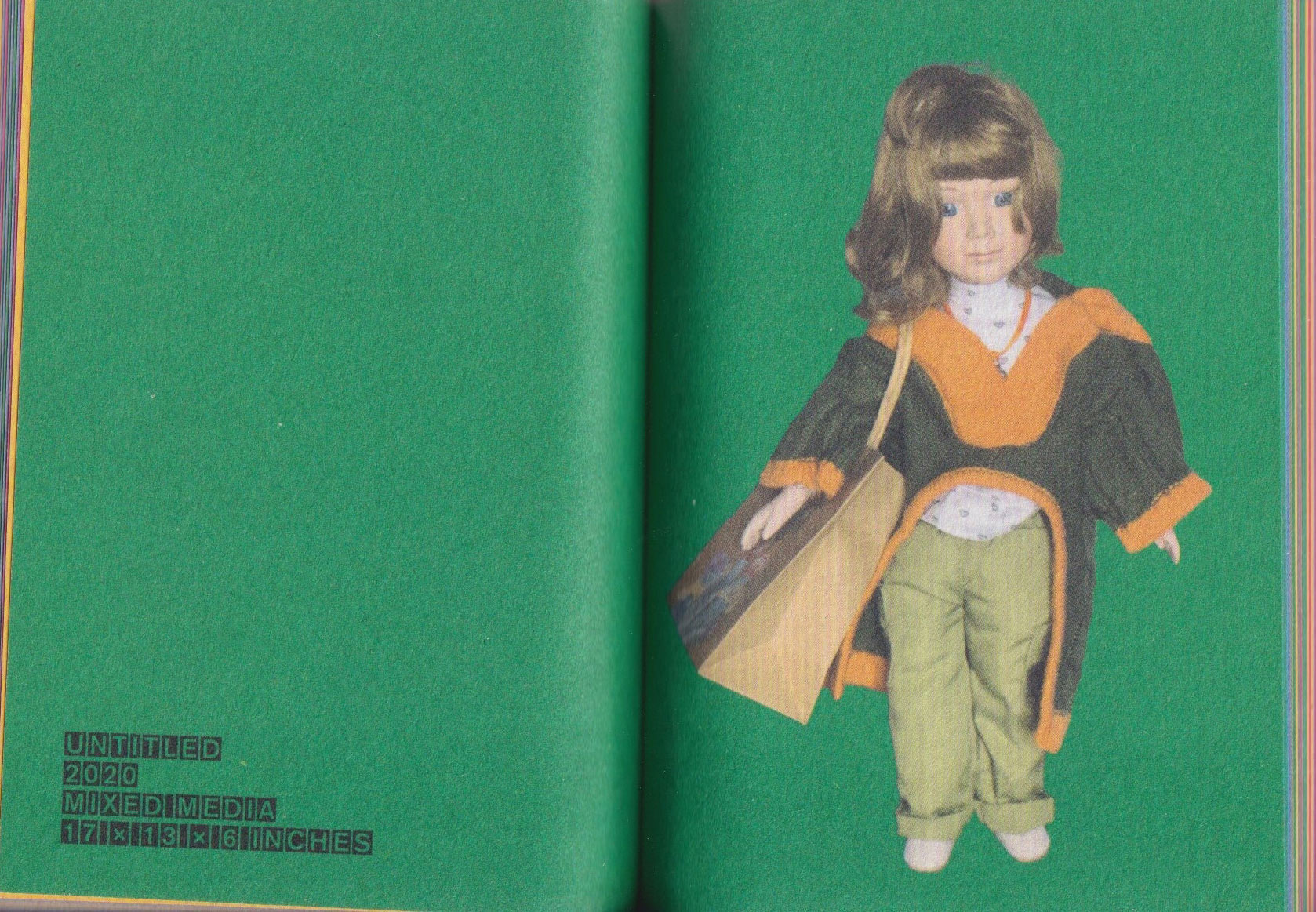
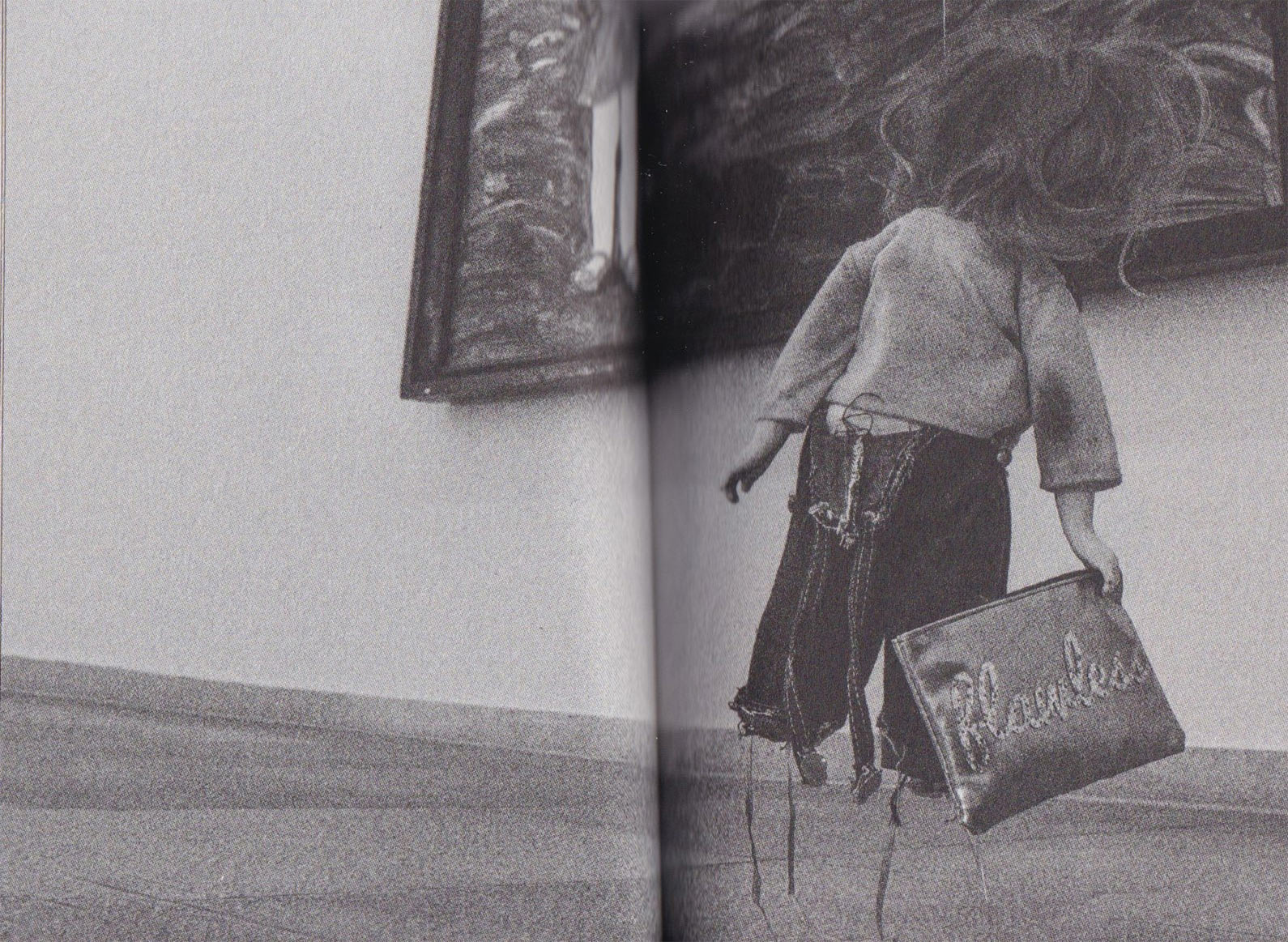
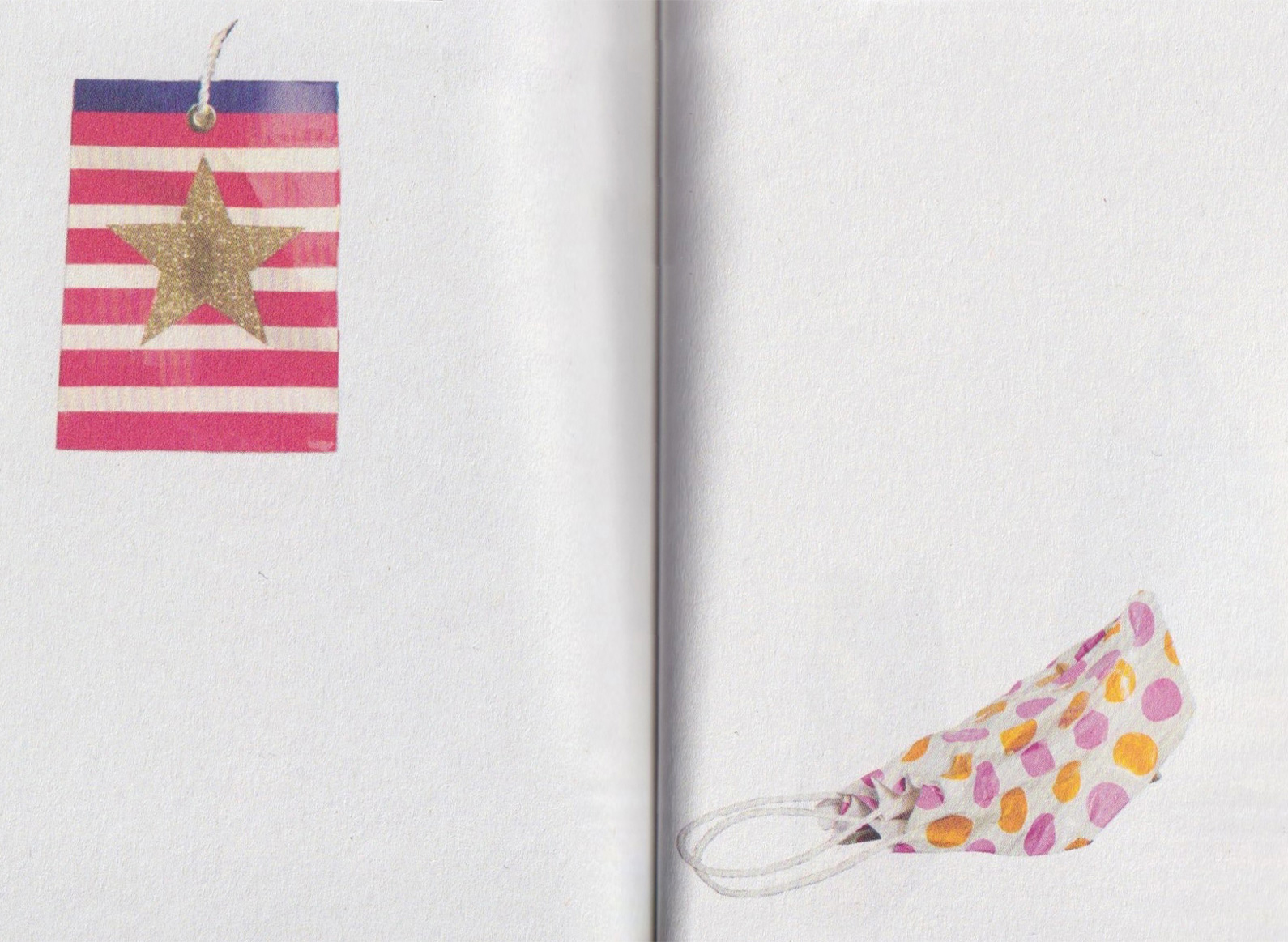
“This small-format artist’s paperback offers a glimpse into Alex Bag’s visual language: sardonic performance, art-school critique, pop-cultural debris, and the uneasy humour that would later define her videos. Drawing on the scale and format of Hanuman Books and Indian prayer books, its fragmentary images—stickers, cut-outs, star-shaped sunglasses appearing like a prop in a half-remembered TV segment—read as both personal inventory and media collage.”
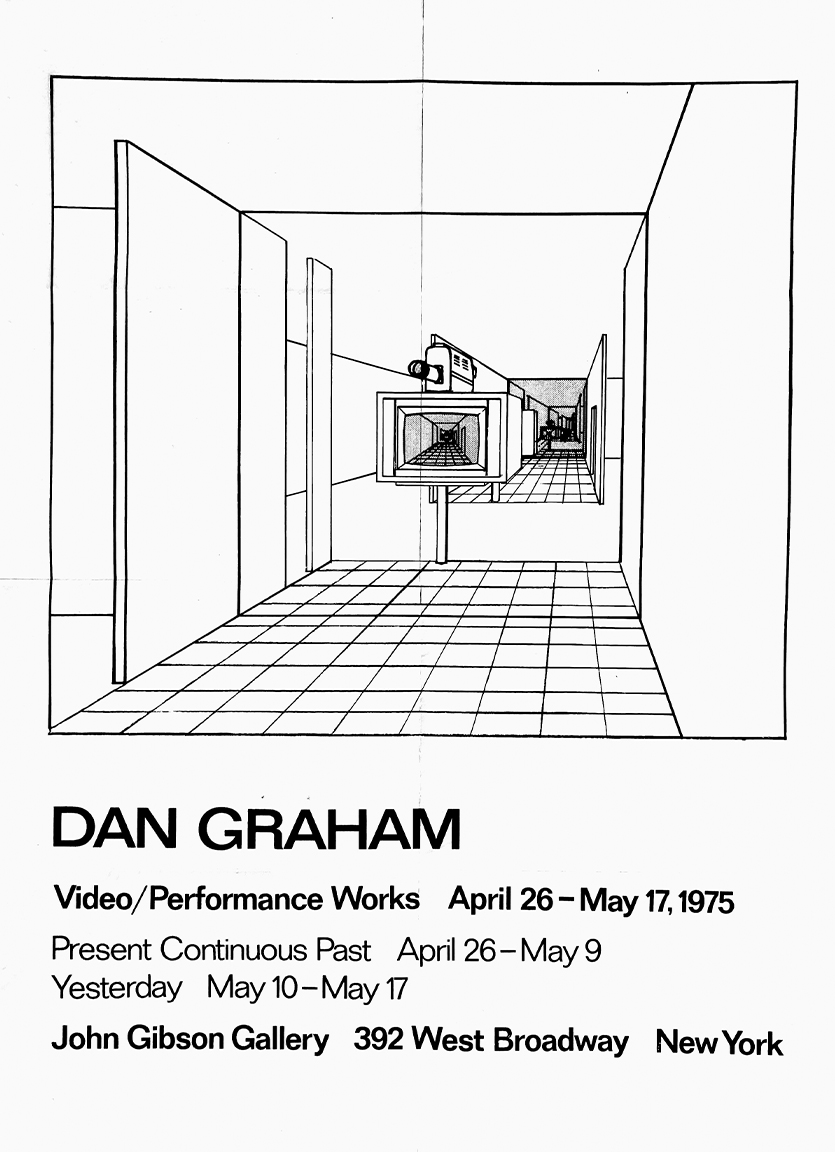
2 — Dan Graham, VIDEO/PERFORMANCE WORKS, John Gibson Gallery, New York, 1975
“Printed for Graham’s exhibition at John Gibson Gallery (26 April–17 May 1975), this folded exhibition poster presents a diagrammatic layout: a drawn room, a camera, a monitor, a feedback loop folding in on itself. It condenses Graham’s thinking on self-observation, media architecture, and the two-room arrangements he explored in his early video installations, where screens, mirrors and architectural partitions shaped how viewers perceived themselves. The poster functions like a conceptual prototype—anticipating installations in which camera views and mirrored surfaces offered slightly different, simultaneous perspectives on the viewer. Seen today, it also reflects the intimacy of a moment when ideas circulated through small galleries, Xerox machines and envelopes.”
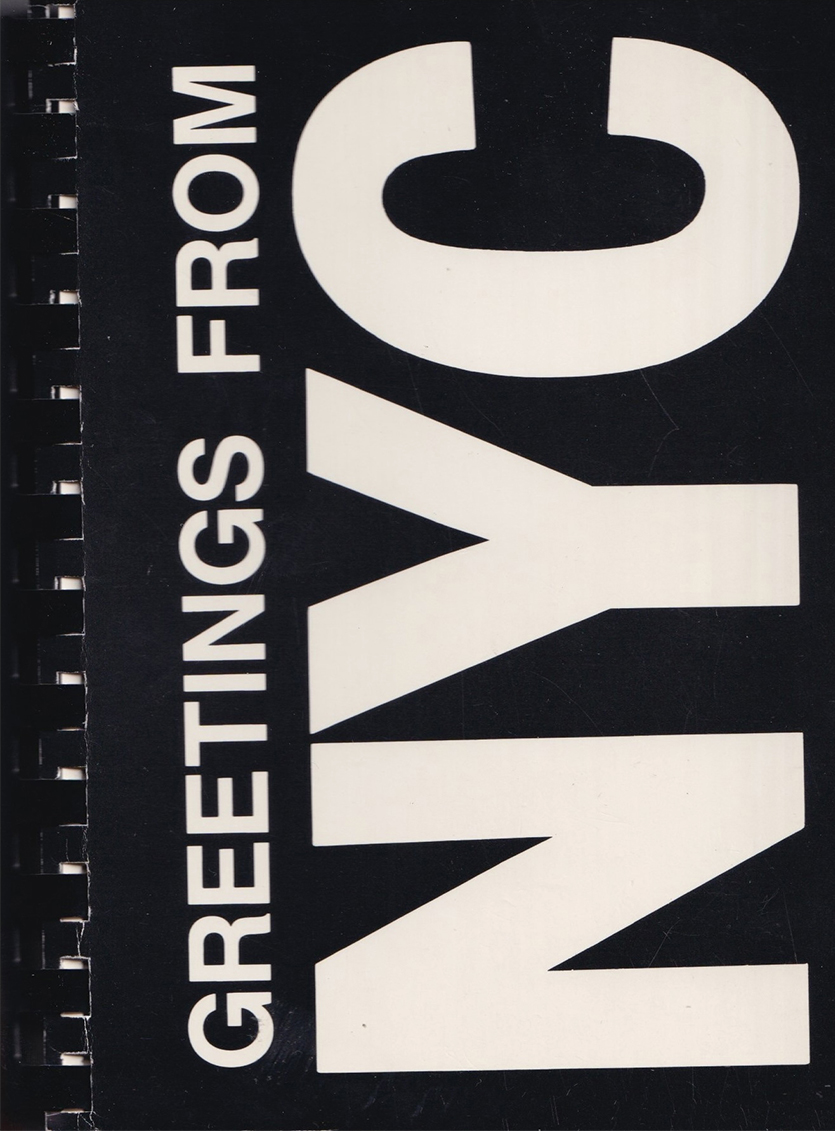
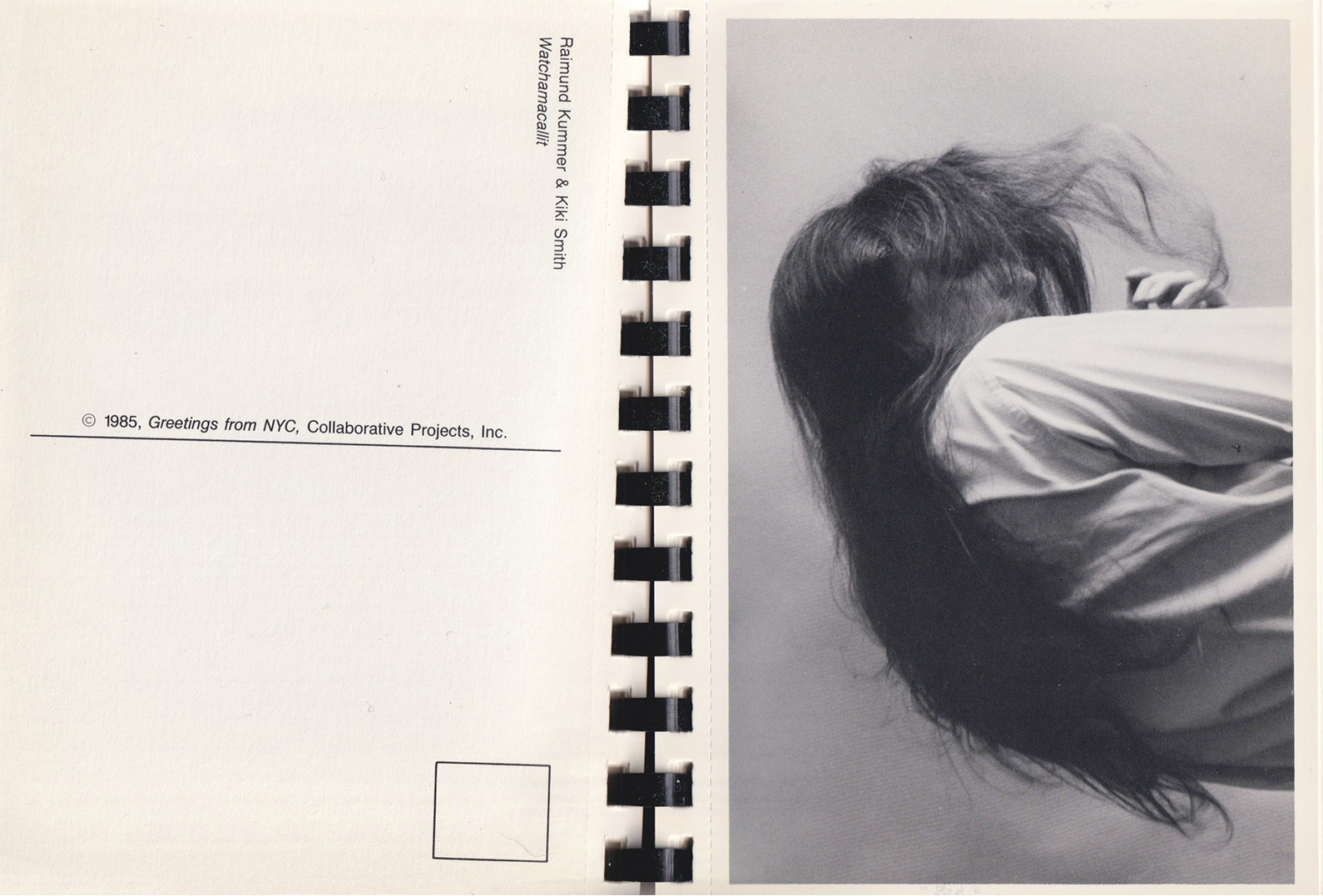
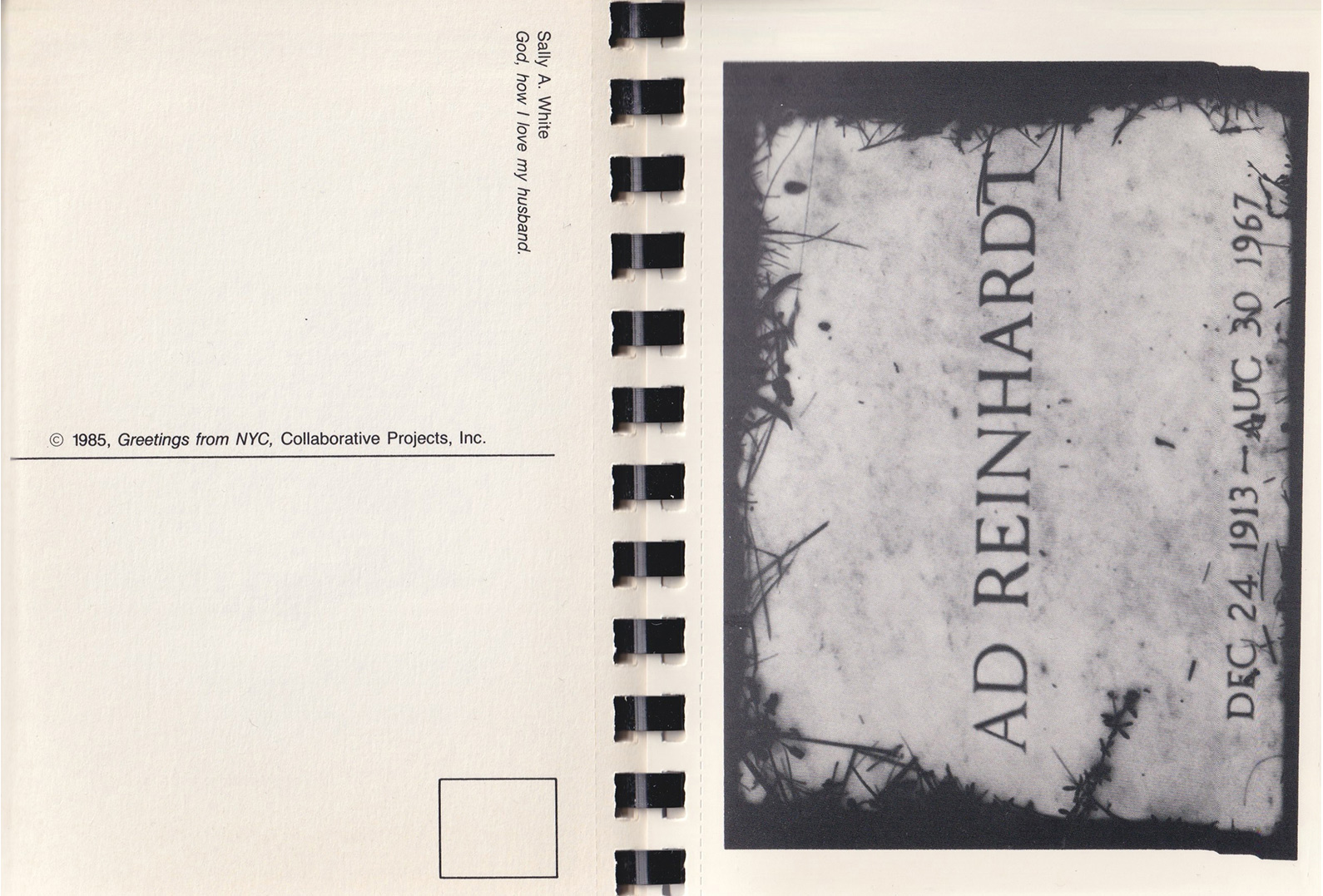
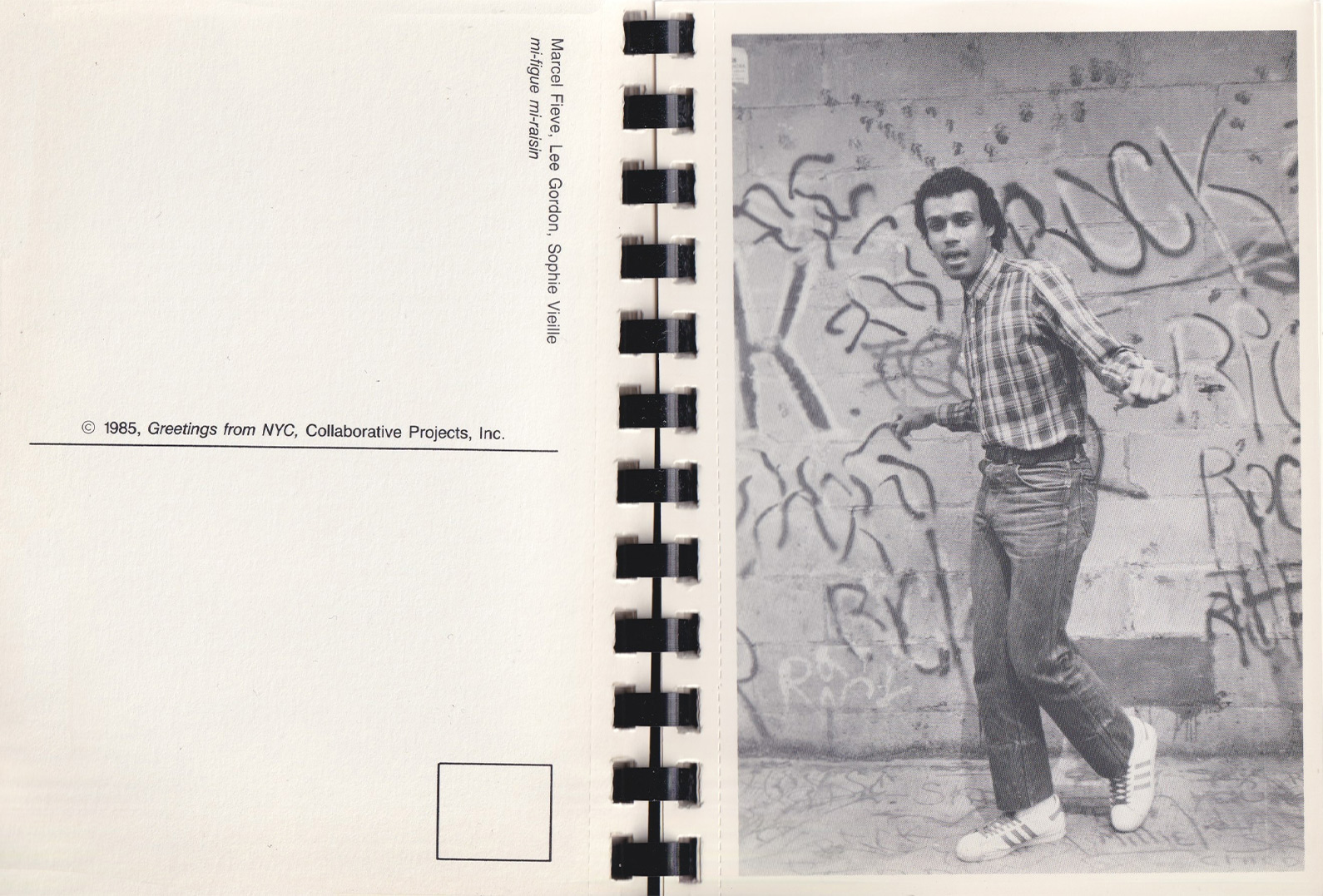
3 — Teri Slotkin & Richard Miller (eds.), GREETINGS FROM NYC, Spanner/NYC Issue 5, 1985
“Produced within the Collaborative Projects (Colab) network, GREETINGS FROM NYC transforms a postcard book into a social field guide to downtown New York in 1985. Forty-eight perforated black-and-white cards—“suitable for mailing”, as the publisher wrote—capture artists’ studios, street corners, friends, children, nightlife and fragments of performances. Contributors include Dan Asher, Jane Dickson, Christy Rupp, Walter Robinson, Kiki Smith and others. The result is an artists’ book that operates like a portable archive: a collective portrait assembled through photographs rather than statements—an entire scene held within a stack of detachable cards."
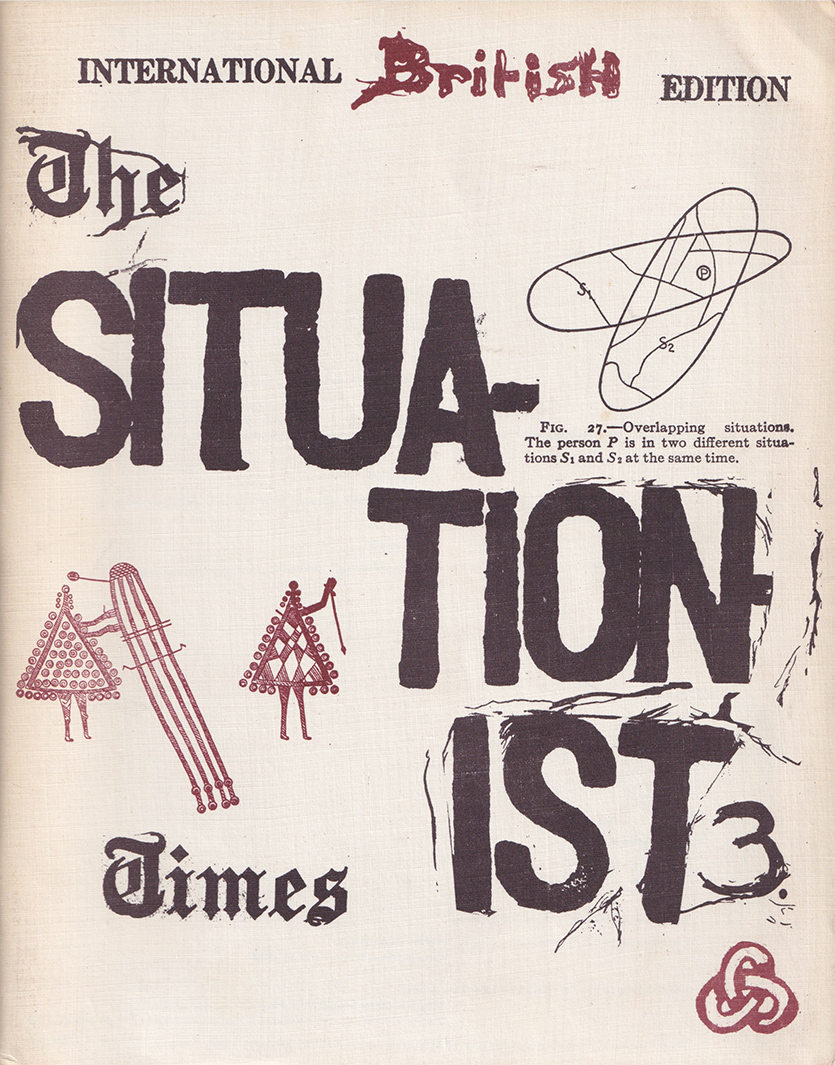
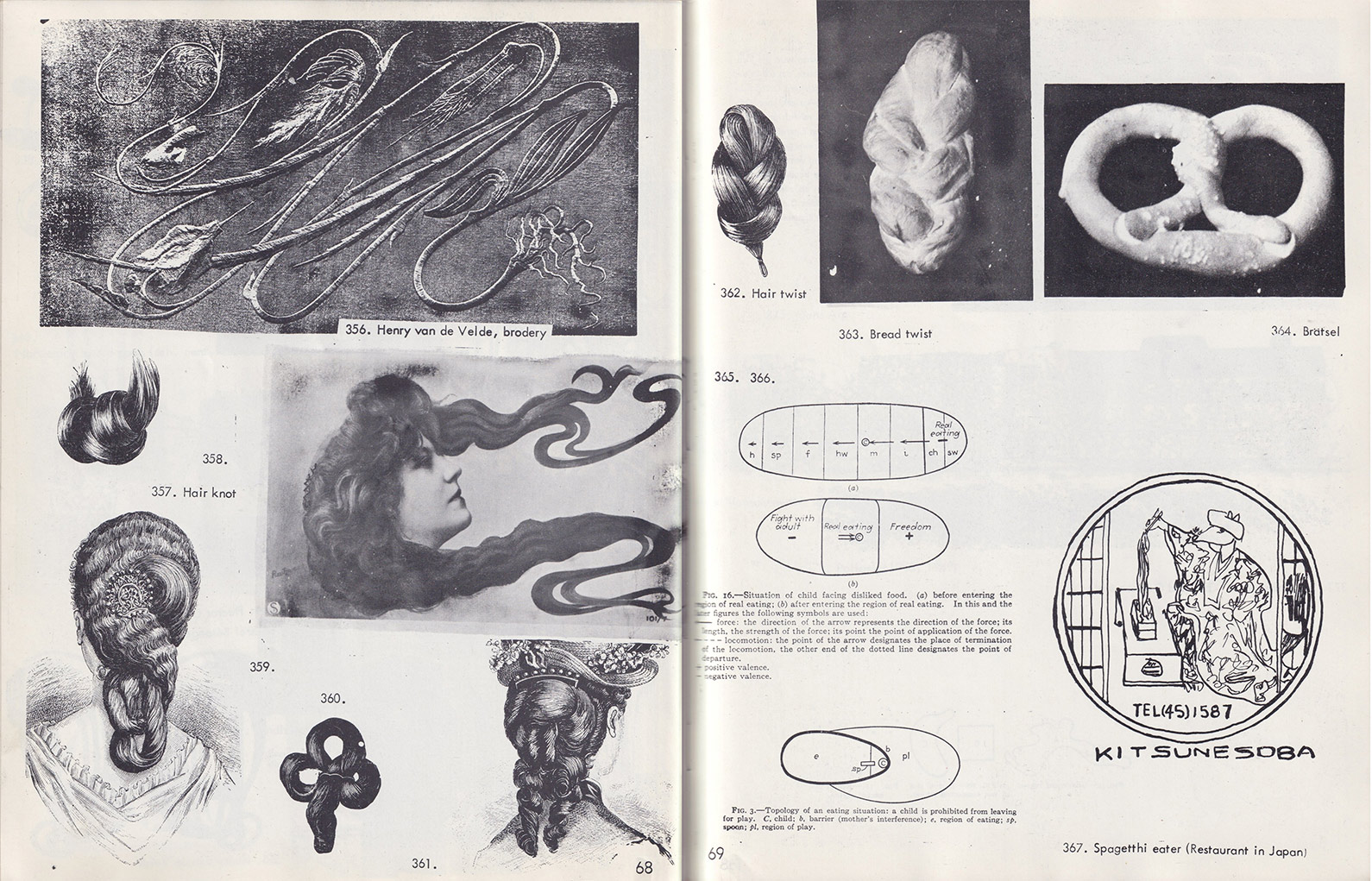
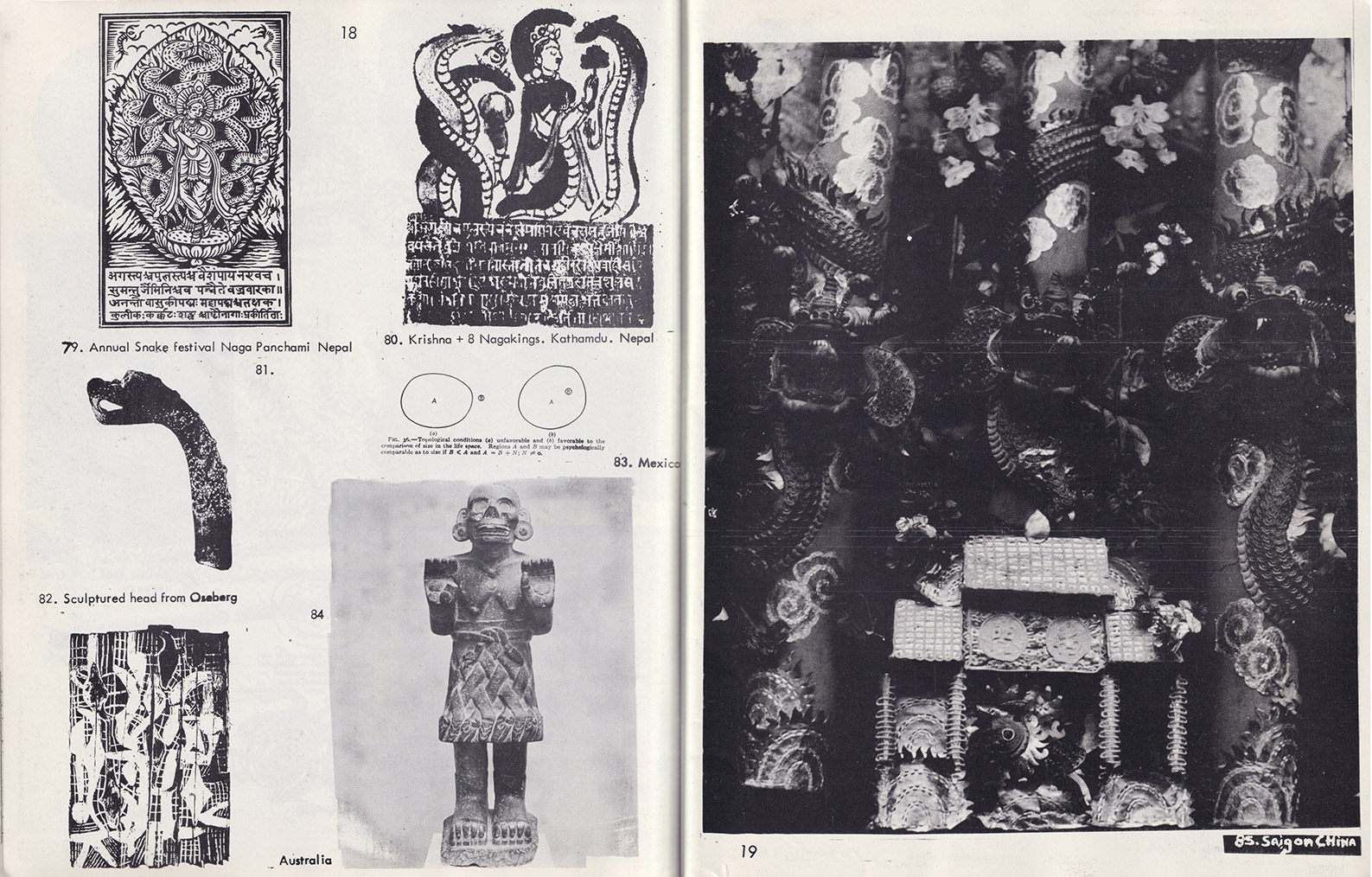
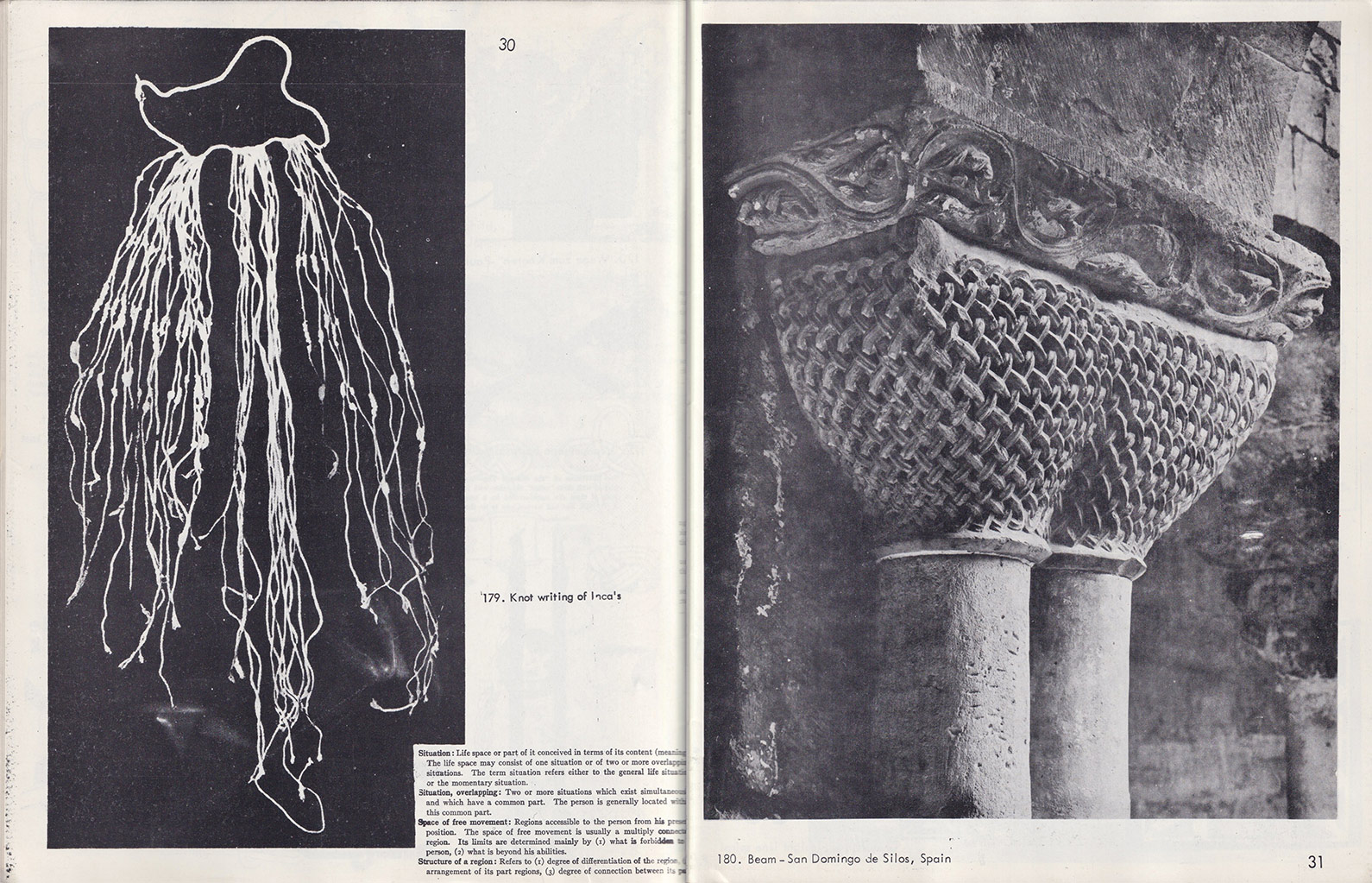
4 — Jacqueline de Jong (ed.), THE SITUATIONIST TIMES No. 3, 1963
“Self-published by Jacqueline de Jong after her break with the Situationists, the Situationist Times, Issue No. 3 continues her editorial dérive across images, diagrams, scientific models, Celtic knots, topological puzzles, comics and found documents. Printed in Hengelo (Netherlands) in January 1963 in an edition of 1,000 copies, the magazine assembles disparate material into a non-linear atlas that resists any doctrinal reading. De Jong’s refusal of hierarchy—visual, conceptual, political—makes The Situationist Times not an adjunct to Situationist theory but a parallel project: more open, more unruly, and more forward-looking. The issue remains one of the era’s most singular publishing experiments, its influence visible in later forms of artist-edited periodicals.”
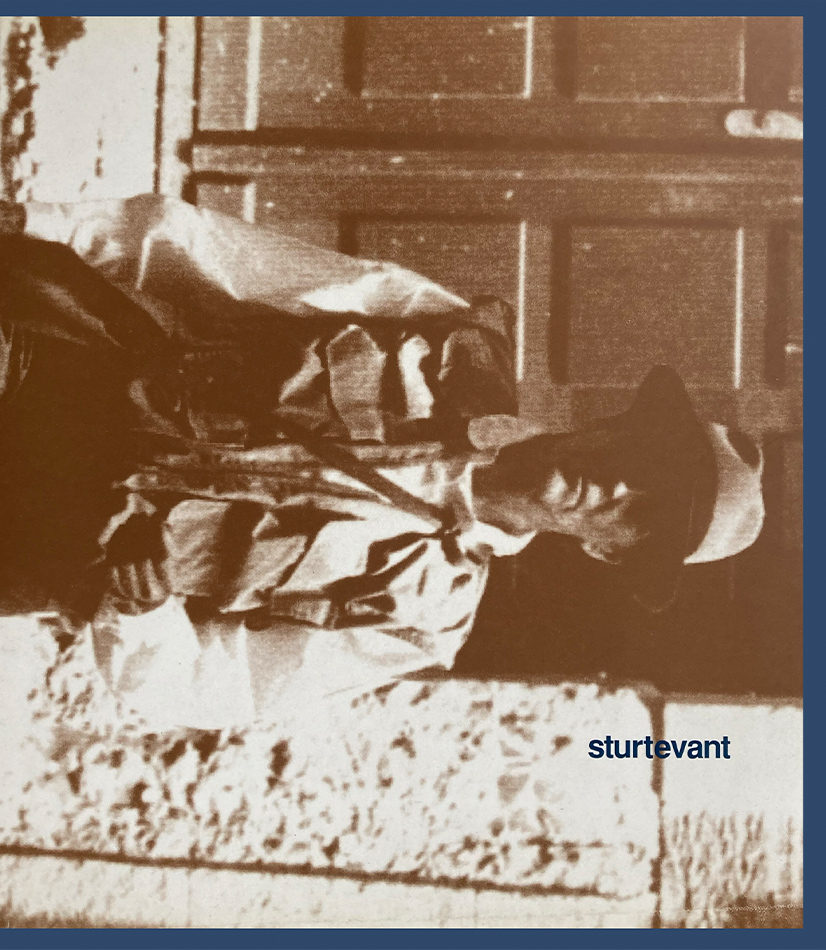
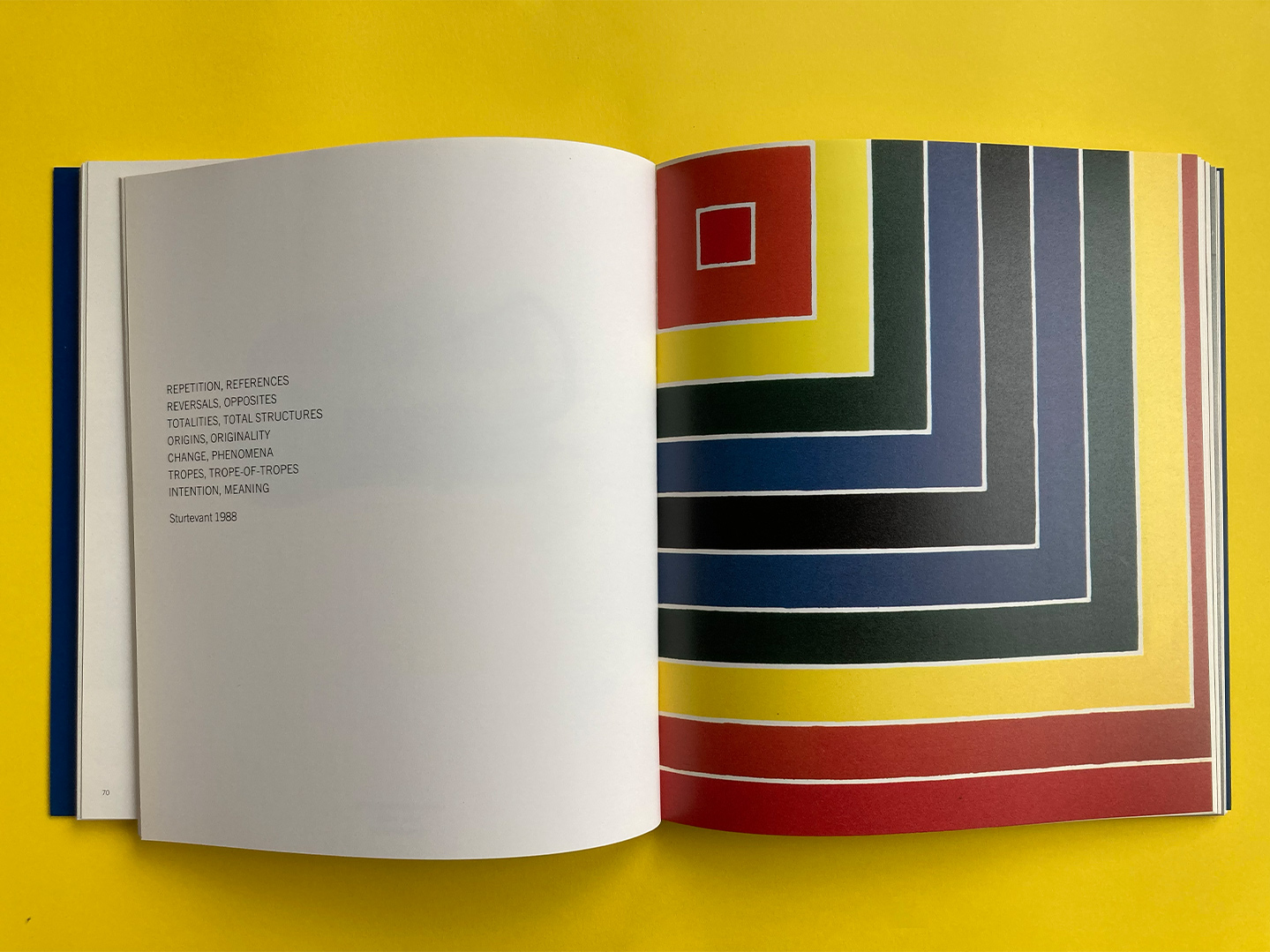
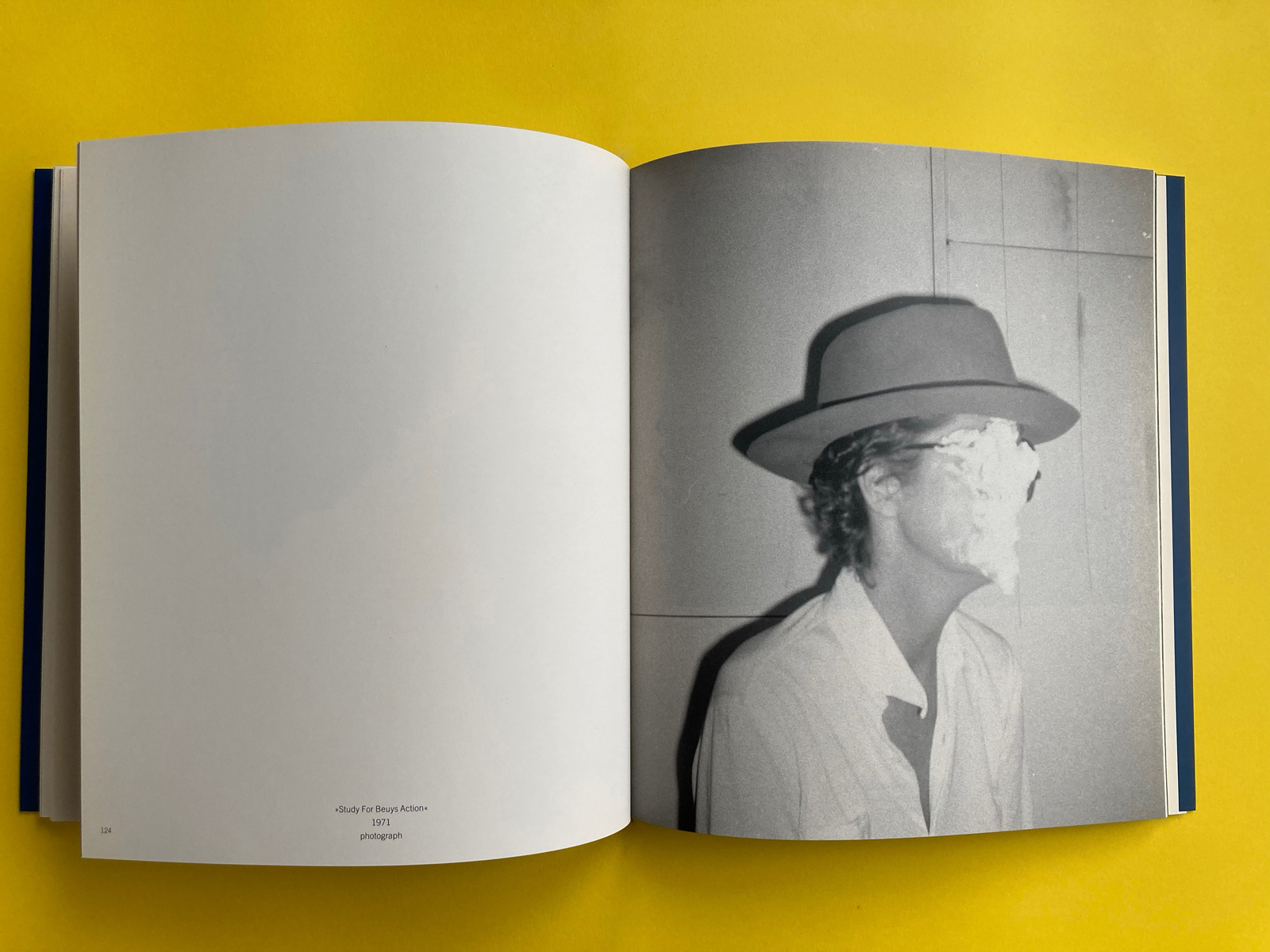
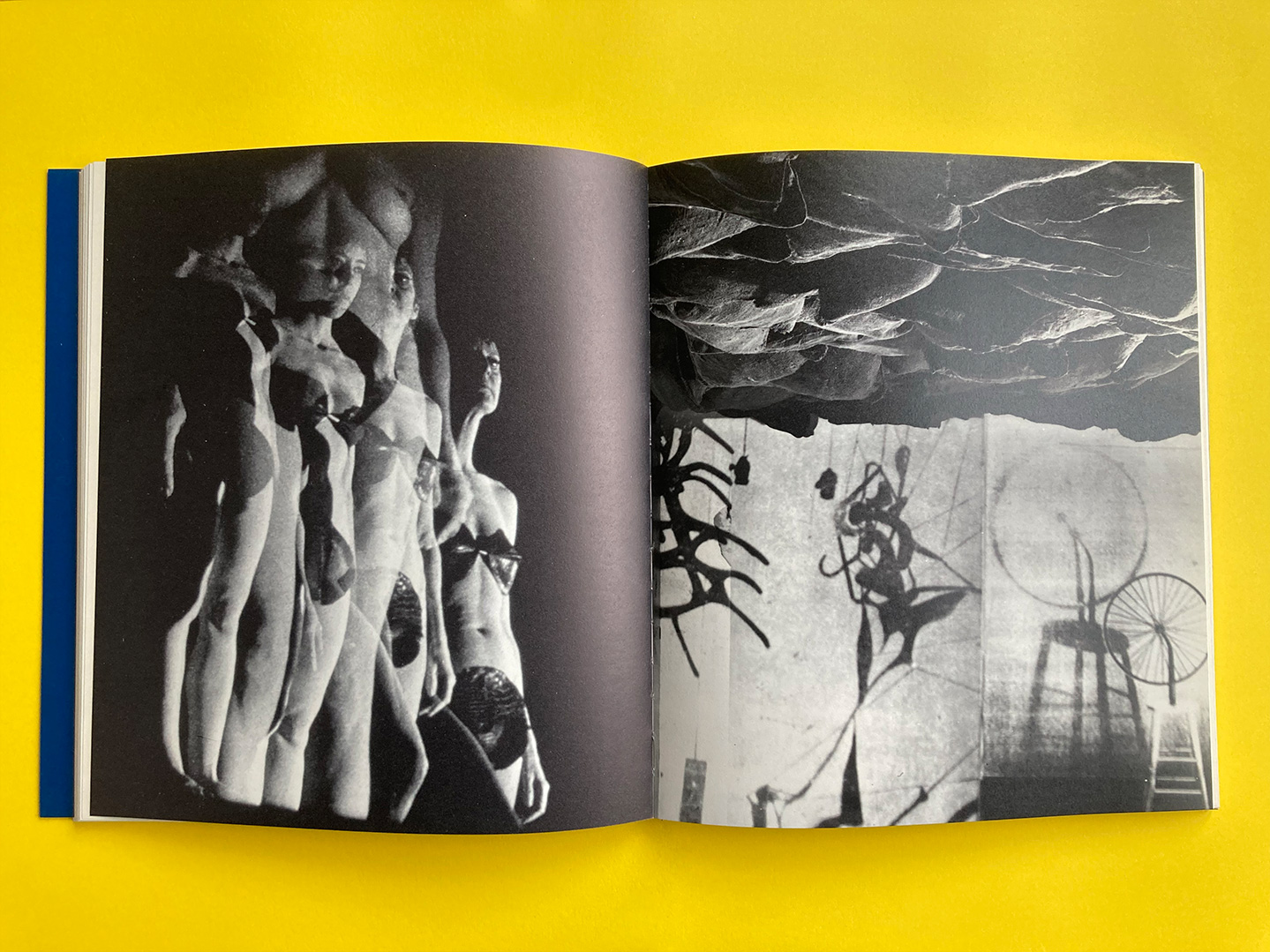
5 — Sturtevant, STURTEVANT, Stuttgart / Hamburg / Nice, 1992–93
“Published across three institutions—the Württembergischer Kunstverein Stuttgart, Deichtorhallen Hamburg and the Villa Arson in Nice—this catalogue accompanied Sturtevant’s (Elaine Strutevant) major early retrospective. Including extensive plates, installation views, essays and an interview with the artist, it outlines three decades of work devoted to “repetition” as a conceptual method rather than mimicry. Sturtevant’s re-enactments of Warhol, Duchamp, Beuys, Stella and others reveal the structures behind authorship, image circulation and contemporary value formation long before these became central theoretical concerns. The catalogue stands today as one of the key documents for understanding her impact on appropriation and the generations that followed.”