

JAN VORISEK: How’s it going Ashland? Where are you at?
ASHLAD MINES: Right now I’m in hell. I landed in Tokyo a couple weeks ago planning for three weeks of work DJing, performing, and shooting a bit, but my phone was stolen (by a fellow American) at the airport about one minute after I passed customs. I don’t back things up generally and I’m definitely not clouding any data . . . Also I kind of use my phone as my main hard drive—for all my film scans for the last two years, as the only backup of my DJ USB (which I left behind at a club in NY the night before I left for Asia) . . . So all that and the cell pics and vids from those two years are gone. Not to mention I don’t use a bank card and exclusively pay by tap for everything—I wasn’t able to log back into any of my accounts because of two-factor authentication . . . So yeah, I’m in actual hell. Somehow I’ve now almost finished this trip through a few countries, but it’s been insane. The work has been like ten times harder, and the shoot in Tokyo completely fell apart. I’m in Shanghai now developing something with a group of artists for the Rockbund Art Museum gala . . . But the trip is coming to a close in a couple days.
VORISEK: Wow, that sounds like a classic “everything that can go wrong does go wrong” kind of insanity. Nonetheless, I wanted to say thanks for letting me dig into your archive and propose a series of photographs for Service. I feel so excited to share this unique work of yours.
MINES: Fuck else am I gonna do with them Jan? Thanks for showing interest. People are always asking me about publishing but with a few exceptions it’s usually just an off-hand request. But generally I have a very easy time not taking anything I do seriously, so thanks for twisting my arm on this.

VORISEK: When did you start taking photographs?
MINES: A million years ago at this point. I grew up with a camera—I think my dad gave me his dad’s Brownie when I was a kid and from there I spent a lot of time collecting gear and shooting a lot. I gave it up entirely after someone I was dating borrowed and lost a huge portion of my archive of prints (which had never been scanned and didn’t have negatives), and soon after my Mamiya 6 disappeared from my apartment while I was out of town. I just hard gave up and focused on IDK, going to noise shows or something? I didn’t graduate high school and never did any college so those early years were completely formless—after those two losses in Chicago, I really just thought photography wasn’t for me. I only got back into it recently via some sort of COVID cabin fever childhood regression shit, me and Lou were listening to a lot of 90s indie rock and glitch stuff and I thought I’d just complete the circle and get a camera again . . . It’s probably a midlife crisis. I spent a couple years trying to get Lou to buy me a cheap camera as a birthday gift and he never bit, so I just did it myself. Because I had taken such a long break from shooting I was completely clueless—I’d never shot with a digital camera or like . . . a camera with autofocus. I posted a story on IG asking if anyone had suggestions about what camera I should buy and some photographer friends gave me tips. In the end I bought a digital camera which I still don’t really understand how to use, and some medium-format film cameras off Craigslist—some junkshop point-and shoots, too. And my friend Micah gave me a T2 and a couple other cameras he wasn’t using.
VORISEK: Before we talk more about photography, I wanted to ask you about your participation in a discourse that evolved a couple years ago in club music subculture. Your artistic voice is centered around questions of compression and symbols—pushing systems to their limits, exposing boundaries by queering them.
MINES: This whole GHE20G0TH1K dysfunction club language—taking a theme and turning it upside down, highlighting the wrong portion of a song’s lyrics, stretching it out and driving it into the ground until it means something else, using music in a way that hadn’t really been done in nightclubs before, focusing on the text and manipulating that—Shayne Oliver and Venus X pioneered it. I mean, we all were developing the possibilities, but they were driving that train. It’s crazy how long ago that was. It makes sense how well received it was at the time—the internet back then was the most alive it probably ever will be, and that style really connected the dots about how we were consuming and inhabiting everything.
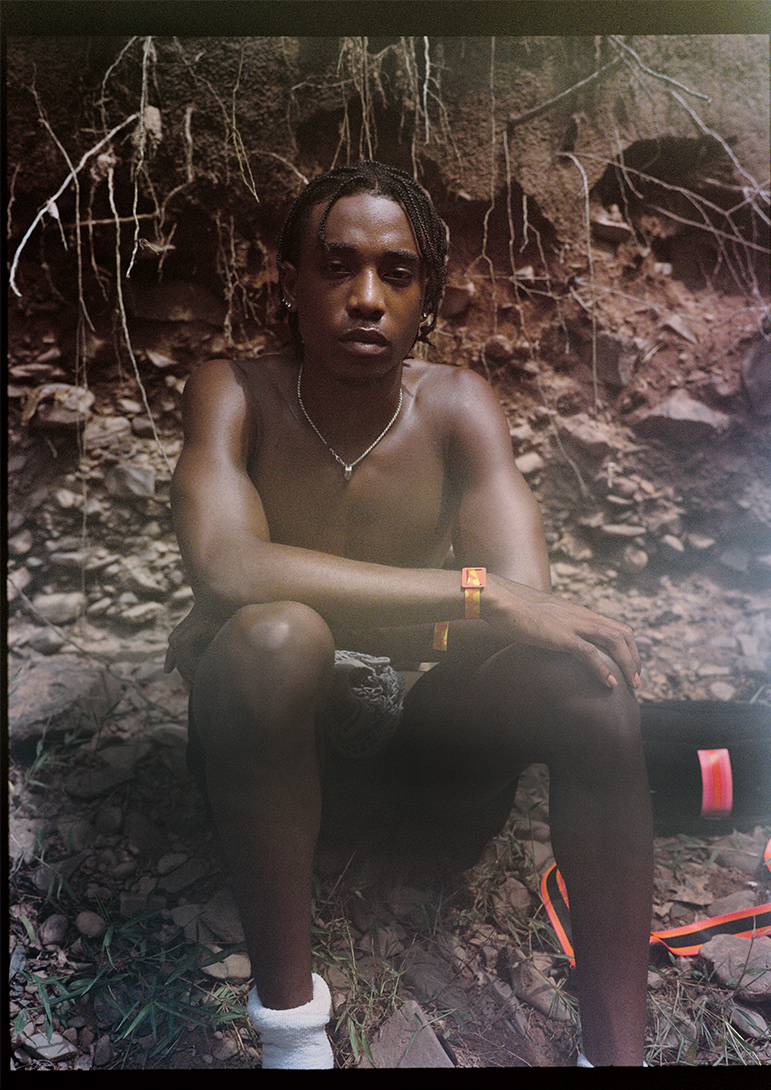
VORISEK: I agree—those years really shaped a lot, with music serving as the soundtrack to new concepts and ideas that began as experiments in clubs and then spread to all corners of culture. How do you relate music to images?
MINES: I have bad rhythm, generally. I make the wrong choice at the wrong time. I’m very bad at video games but I play them every day. Other “push the button at the right time”-type things like DJing and photography are also not second nature, but I was drawn to them and kind of consumed by them early in life. Having bad rhythm while DJing maybe translated into a style for me—a particular stink that works for some reason. I’m not sure that this dynamic can really translate to photography but I’m hoping it can—because here I am, obviously. I always think the best photographers I know must be blessed with this rhythm, this innate clock, where they witness the moment and their hand is already raised with one eye open, finger on the trigger. I’m cursed—I’m the opposite. Ever since I was a kid, it’s like I’m there—right angle, right time, and I’m fantasising about the little glowing rectangle of film that’s possible, and the moment I raise the camera to capture it the scene evaporates—the wind dies, cloud covers the sun, lover changes position. IDK, can this be a thing though? Witnessing the moment after something beautiful happened, as aesthetic? Because if so I’ve got a lot to share with the world.
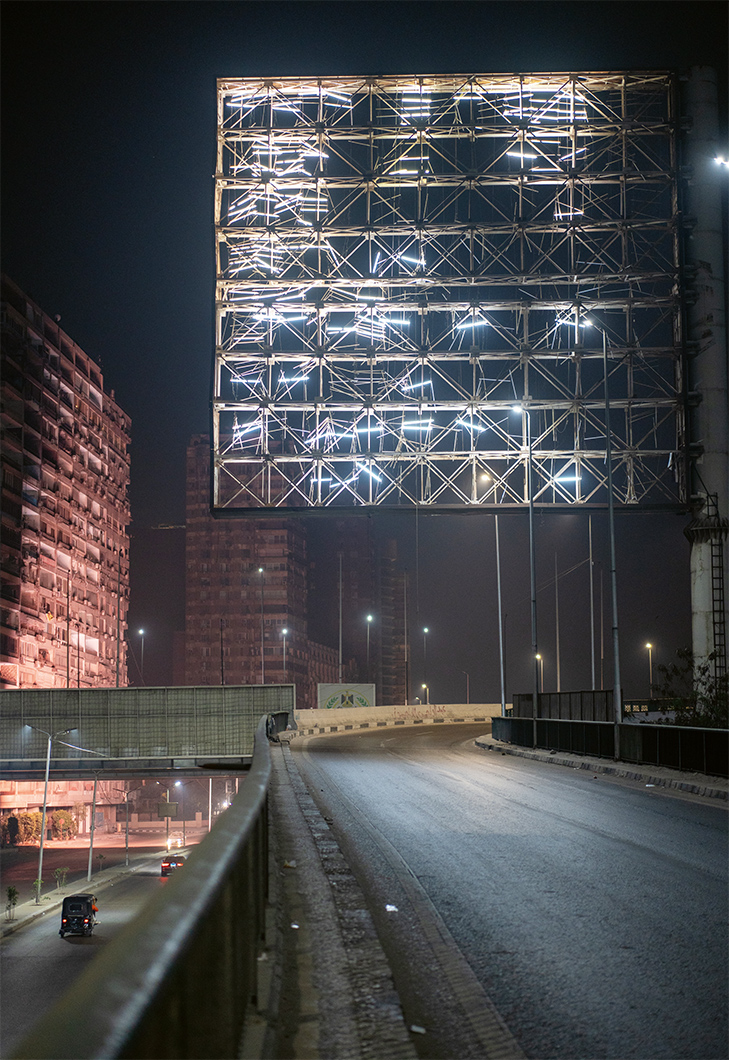
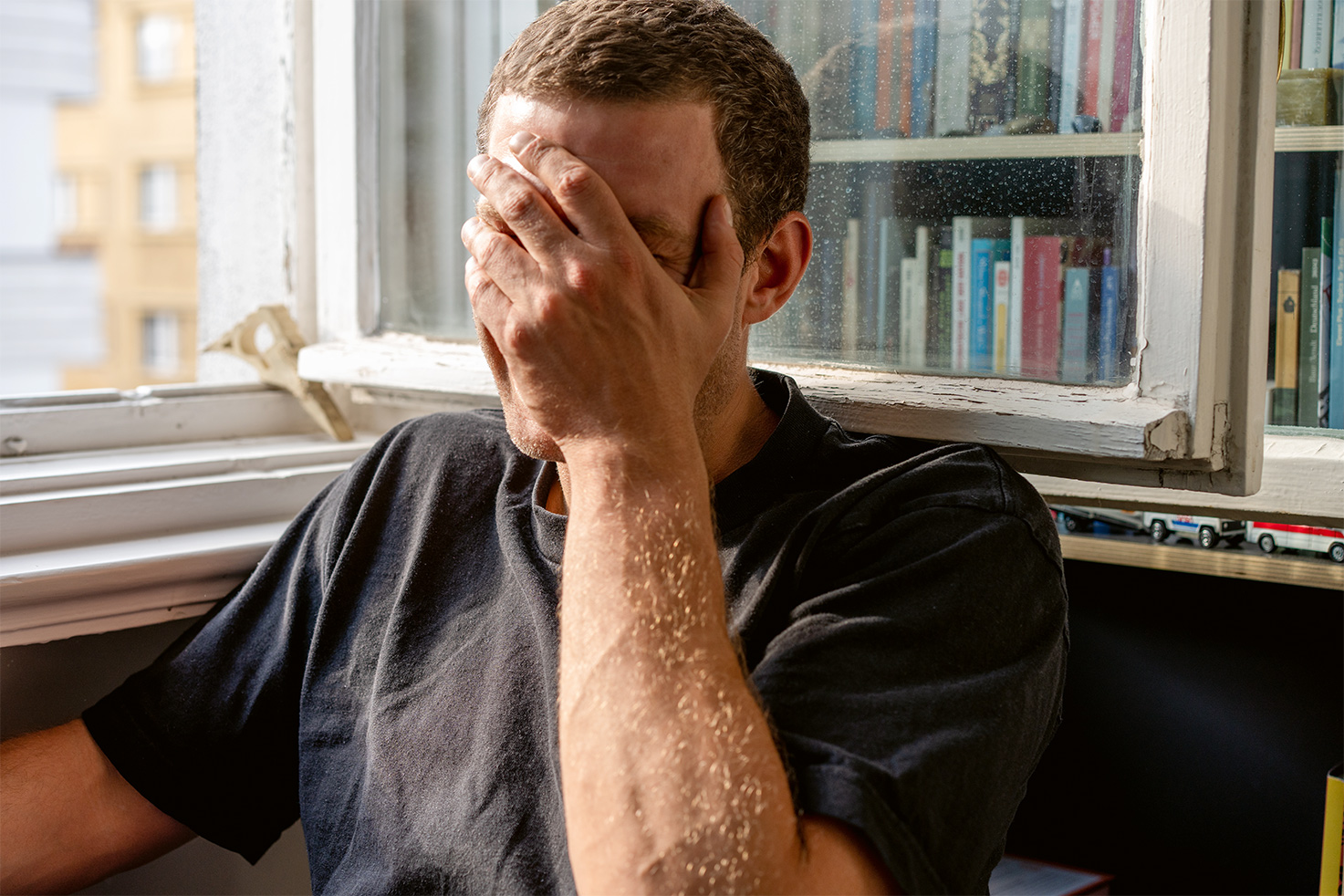
VORISEK: I think this zone you mention, this strange “after the moment” quality, produces this fantastical voyeuristic gaze between fiction and reality. It’s unclear how your pictures were made. Some look like complicated studio productions, and others like spontaneous snapshots, but they all transmit the same hypnotic wonder. The layers of reality start to peel off, it’s so gorgeous.
MINES Awww Jan you actually like me—I’ve got a tear in my eye. Someone who doesn’t care about me wouldn’t feel this way when they see these images. Does the vibe translate? Ask the editor I guess.
VORISEK: Haha, I know you think I tricked somebody into printing this, but the editor is actually extremely excited too. BTW, what do you have any idea what happened to your stolen phone?
MINES I think the American soldier who stole it already sold it for parts, because it’s been offline since he drove away from Narita Airport weeks ago and it’s now completely unreachable. I’m legit senile . . . Since my phone was stolen, I bought a phone and left it in a cab (did not get it back), left my whole entire camera on the train in Tokyo (got it back), left it again on the plane (got it back), left my computer on a different plane (got it back), lost my suitcase just like in the boarding area (walked away from it and forgot where I left it . . .). Saying all of that, it’s like: “Girl, what the fuck?” But okay, so that’s the evidence . . . I’m like not completely “there,” right ? I take pictures with my phone all of the time. It’s kinda like a memory device. If I didn’t have an album full of detritus from every day going back years I wouldn’t remember most things that happen … Like scrolling back into time and seeing people I had completely forgotten meeting, fucking, and halfway falling in love with. Seeing a picture and being like, “Whoa—oh yeah, I was in Colombia with Jim and Pitt two years ago, I forgot.” It’s fucked up that photography is like my crutch to handle incoming senility, but it is. I’d been asked by my friend Piotr Niepsuj in Milan to do a publication of just cellphone pics, which I was really looking forward to, but well —now all my pics are gone so that’s not possible. But I love this idea of a glossy book full of lossy JPEGs that were only ever intended to be posted as stories… I really hope that kid is enjoying the $150 he got for selling my phone.

VORISEK: Shit, I feel the grief of memory loss. Besides photography’s being a personal record and a documentation device, do you feel the urge to follow any conceptual frameworks?
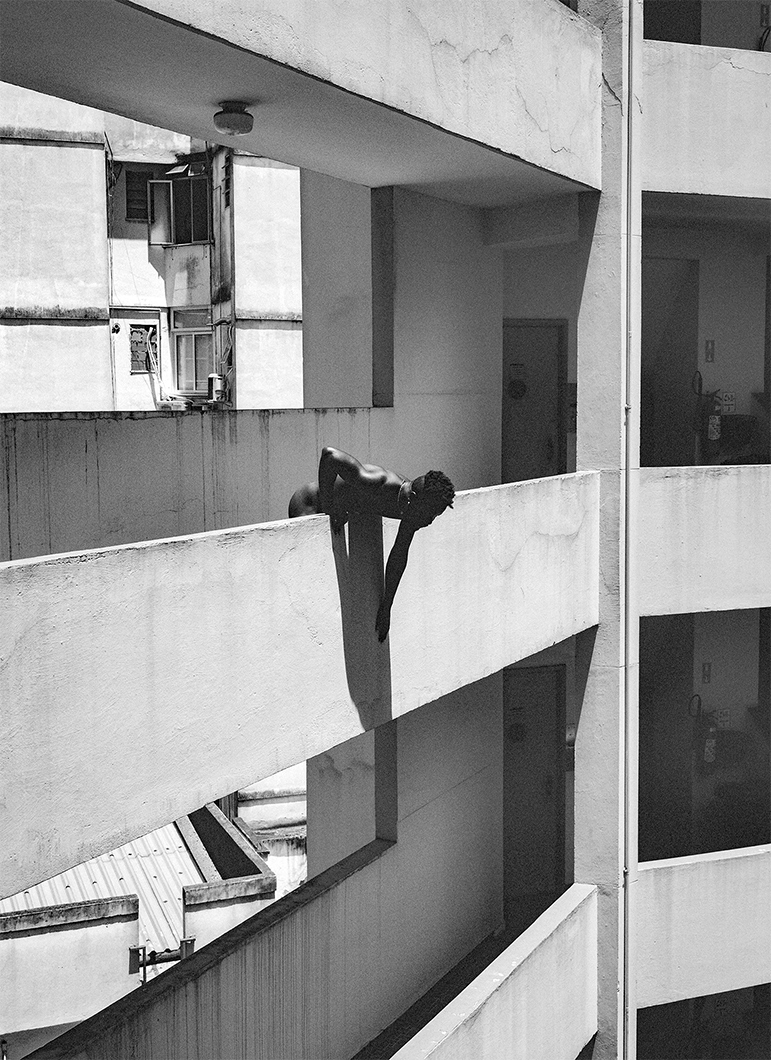
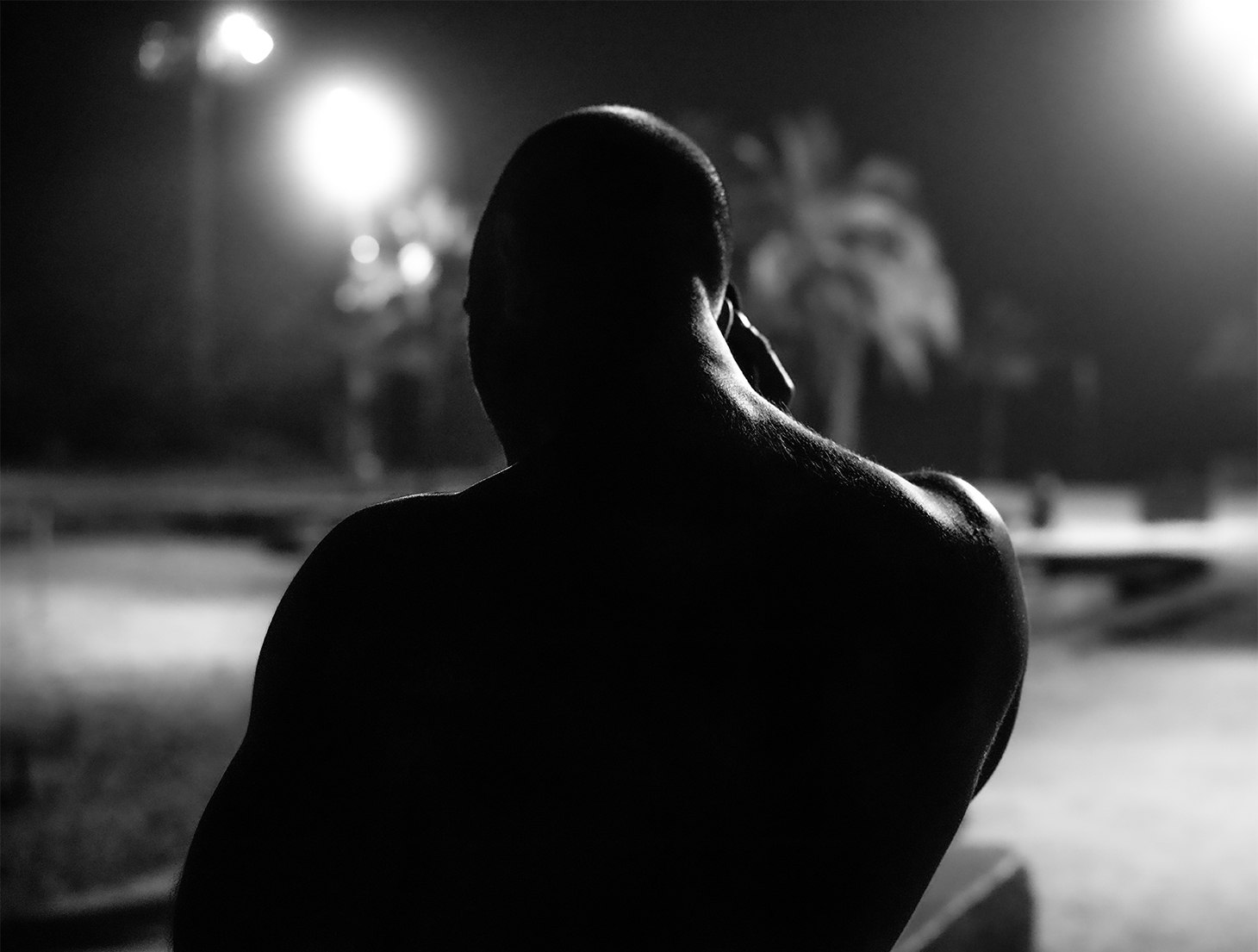
MINES: I think about light all the time—all light—street lights, oven lights, sunlight. I guess all seeing people think about light constantly—but I think about it in a kind of embarrassingly twee “well gee :’)” way most of the day. I think it’s a low-IQ thing, like part of why I’m literally never bored. I’m enchanted by the simplest thing if it’s lit well . . . and most things are lit well. I’m watching where light falls and how it pools—how it uplifts or oppresses—who it’s caressing and who it’s punishing. It’s the only reason to pick up a camera—that’s brain-deadly obvious, but I need to say it.
VORISEK: The media theorist Vilém Flusser wrote that the camera is an apparatus that is involved in a game of chance, trying to capture specific symbols, rather than mirroring reality. But the classic photographer is working against the logic of the device, trying to creep into the camera and force it to reproduce his own vision. How do you relate to the shutter button?
MINES: I guess I covered all my anxiety about pushing buttons already. The fantasy is gone by the time I’ve gotten there. I’m always disappointed. I usually just chalk this up to lack of talent. But who cares about talent lol. DJing is a monkey’s job. You just press the button—I guess it could be the same story with photography? I just saw Shuang Li’s show at Prada Rong Zhai here in Shanghai a couple nights ago . . . Half of the film in the show was shot by a duck—with extremely compelling results. IDK, there’s some stink that comes through regardless.

VORISEK: It’s a beautiful paradox—the work becomes stronger when you’re pushing against your own ability. I feel, while you maintain an adverse relationship with labels and classifications, there’s still a very persistent artistic voice. Do you see that as an accidental byproduct or an intentional effect?
MINES: I guess this relates pretty well to what I was saying about dysfunction building style. It’s not an accident that I go out of my way to make sure people don’t take me too seriously—I mean, I changed my DJ name to Bobby Beethoven. Beyond that I’m generally romantic and sort of miserable but very entertained by all of the shit out here, so I hope that comes through. I spent a period of time post-taste automation with Spotify and TikTok and DJ hardware automation thinking, “Okay, now everyone has ‘good taste’ and niche interests kind of aren’t really a thing and everyone is a DJ”—I was thinking that would flatten things . . . You know, like the textural feeling of things seeming new or precise or whatever. I wasn’t really feeling like it made sense for me to keep contributing because maybe I didn’t have anything worth adding to the conversation anymore (god I sound so fucking old), but anyway I got over it when I remembered or realised that everyone who loves what they’re doing’s stink comes though one way or another. And that is valuable.


VORISEK: Yeah, the stink always finds a way out. Are there any songs you’re obsessed with at the moment?
MINES: Cortisa Star. Anything she’s doing.
VORISEK: Which part of photography is neglected, and should be fetishised more?
MINES: Macro photography. I think the obsession with the “poor image” has run its course . . . It’s time for HD again, but I wanna see more than like individual eyelashes on a model—I want skin mites and bacteria in editorials.
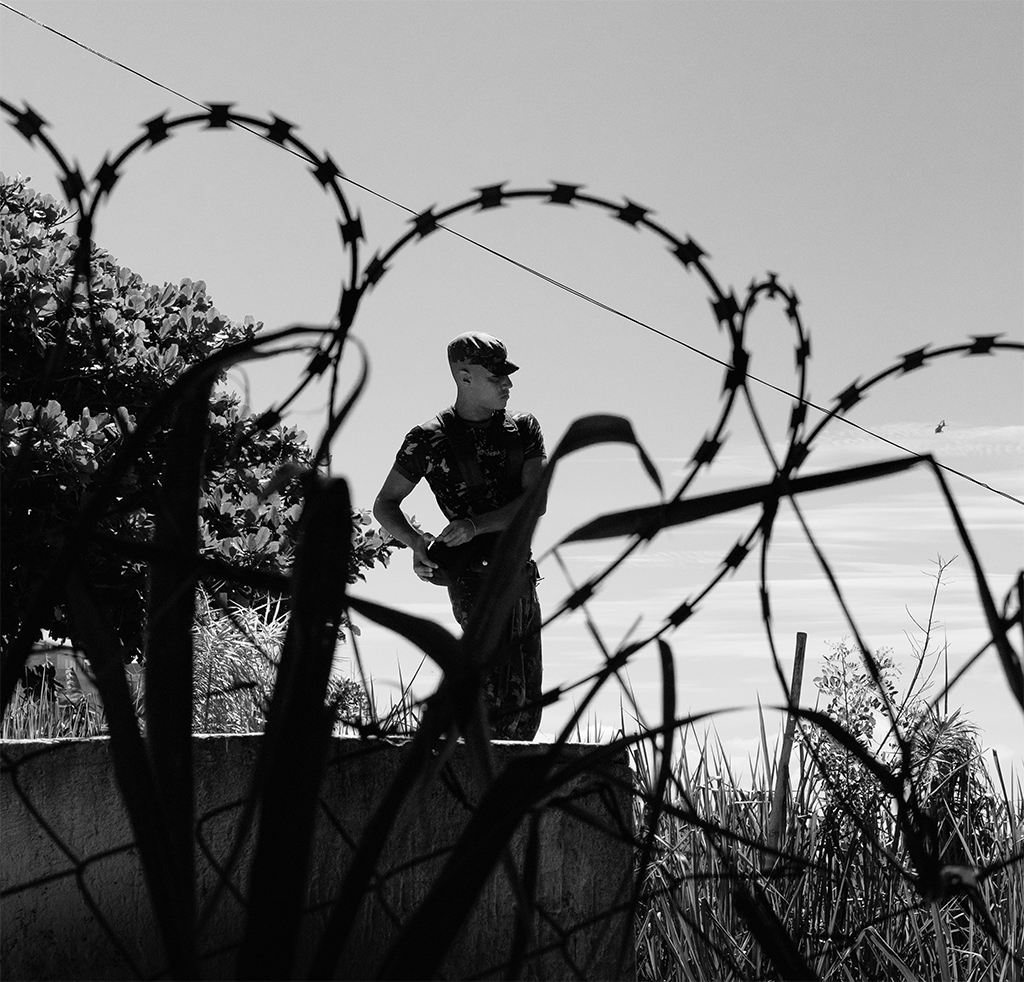
VORISEK: I’m visiting Istanbul. Do you have any recommendations?
MINES: Istanbul is one of my favorite places on earth. I think my whole “dimwitted and easily impressed” personality thing makes me a bad person to ask for travel tips, because I’m not looking for the best thing to eat or see anywhere I go. I’m usually looking for cruising parks and dollar stores. Those are the things that interest me. The only cruising park I knew in Istanbul got turned into an army base after the Gezi Park protests over a decade ago.

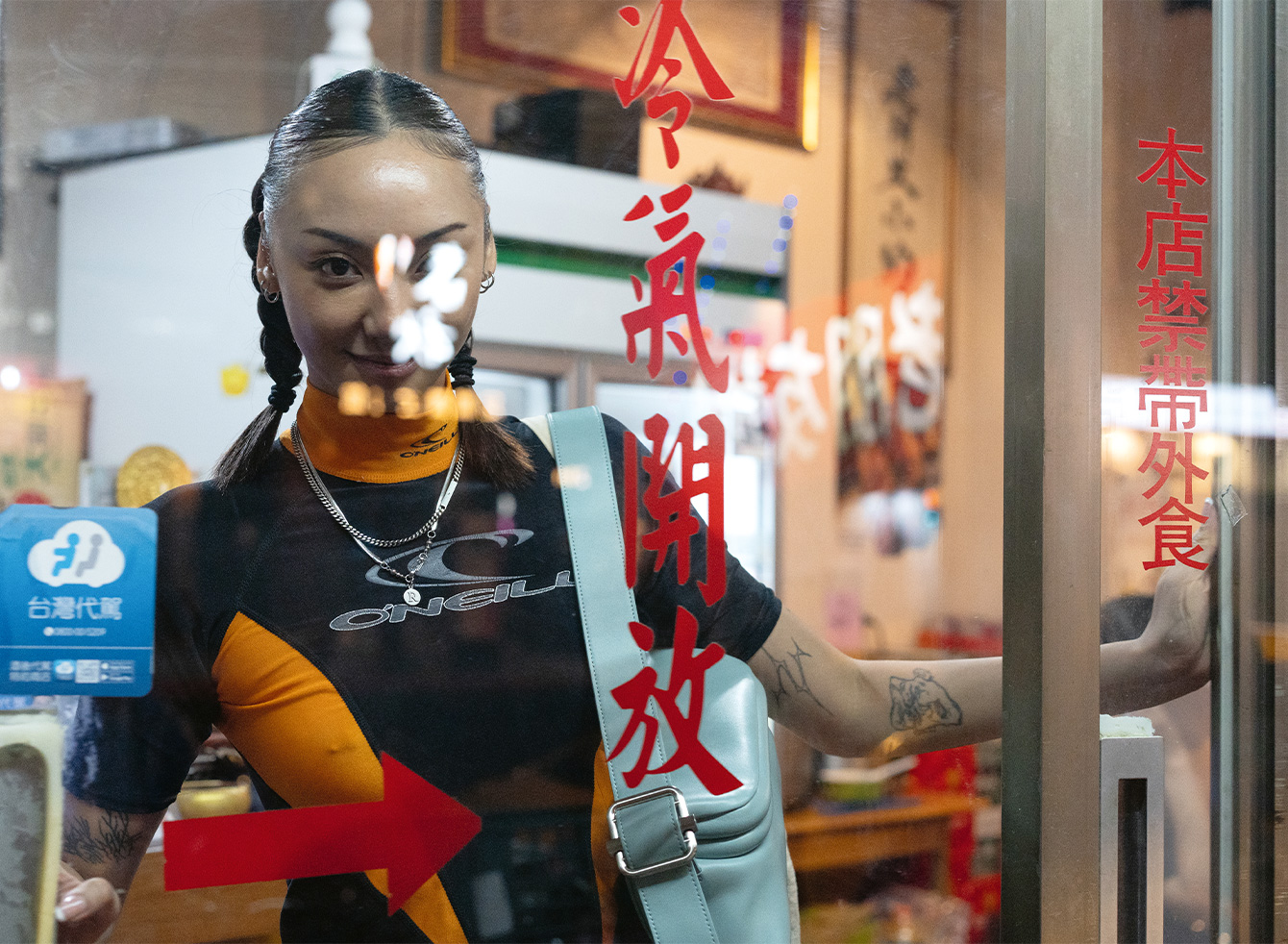
VORISEK What’s your approach to taking portraits?
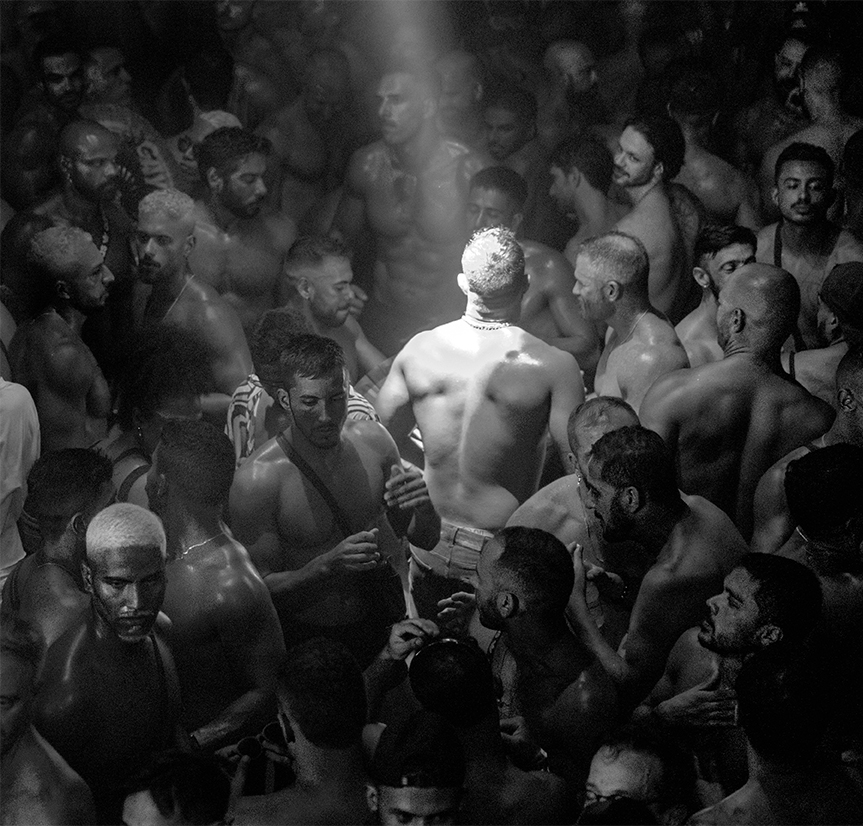
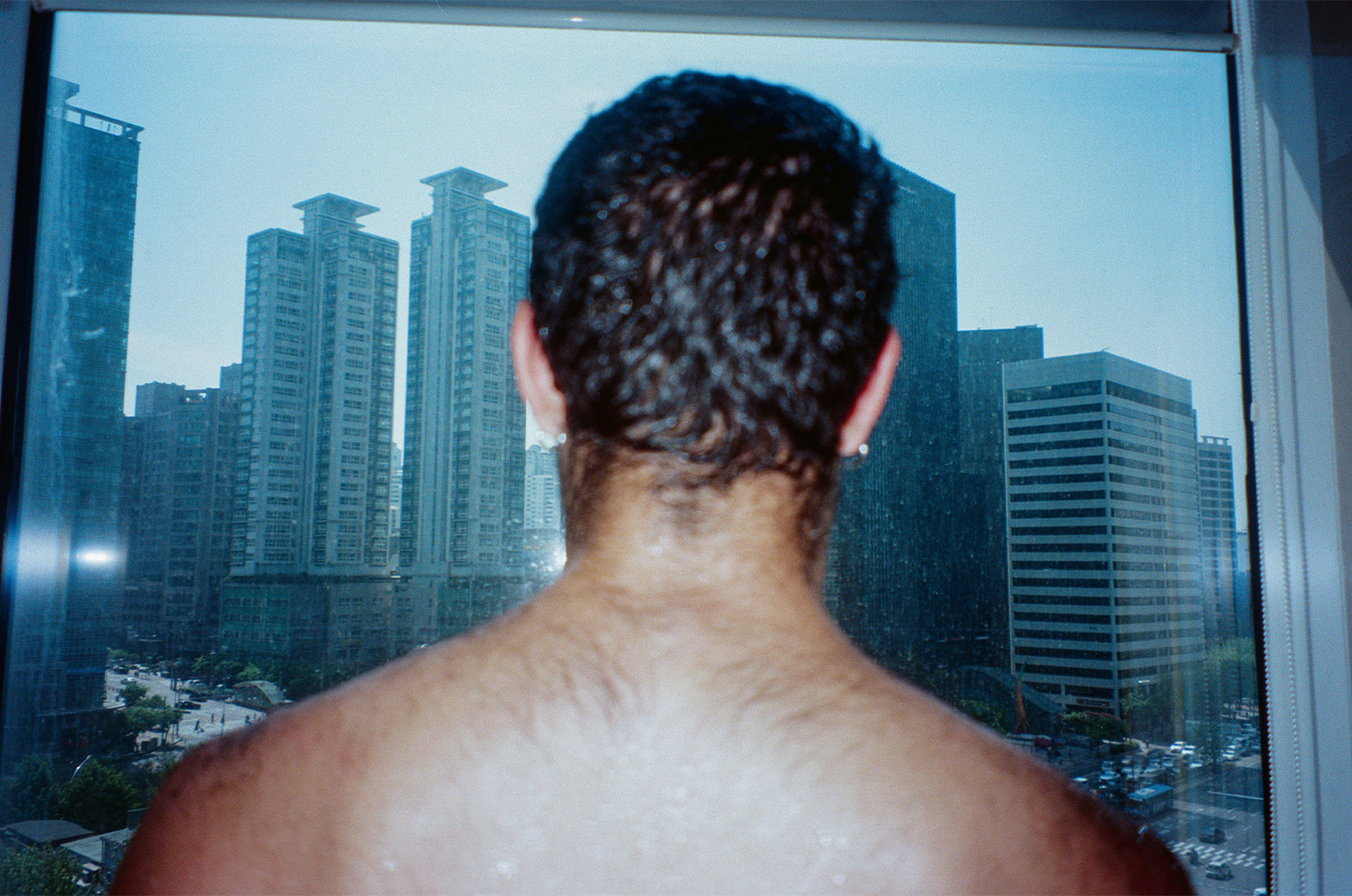
MINES: I hate having my picture taken. So much so that I also hate taking other people’s pictures. Firstly I hate asking, and then if I do somehow have the courage to ask and they do actually want to shoot, my skin is boiling with discomfort the entire time we’re shooting. That being said I feel a lot more comfortable shooting with people I’ve had some kind of recent physical connection with—I do massage (another COVID spiral), so sometimes I’ll shoot a client after our session. Or I’ll shoot a friend or a stranger after a hookup. Other times it’s some other connection—like going into the crowd with my camera just after having played a DJ set.

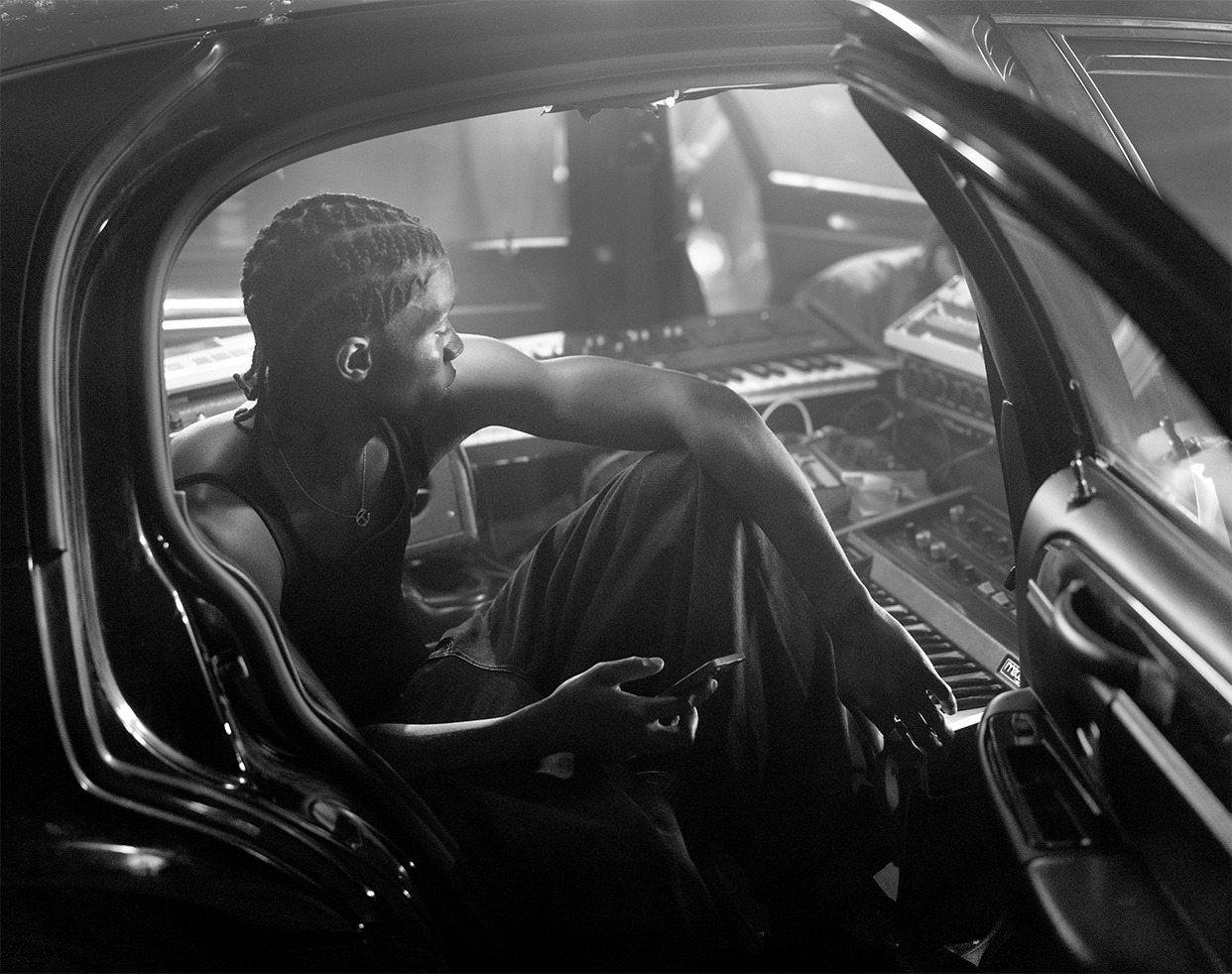
VORISEK: I wrote down some words, can I throw them at you? Self-sabotage, ambitions, refusal, ambient, intentions, aimlessness, exterior, bliss, chaos, antithesis, avoidance, hesitancy, desire.
MINES: Aimlessness is beautiful to me. Crazy to state that, even at this horrifying age . . . Or maybe it’s especially beautiful now? I’m admitting to being a manchild I guess. But I think about this often: there’s almost nothing pure anywhere in the arts basically everything beautiful we make is somehow exploiting the planet or holding hands with something that does. The least we can do is try and be more aimless with our produce—to be more like the natural systems that sustain life . . . Instead of aspirational vampires. The problem with humans in general is that humans make plans and have goals. Get over it! Do you see what that got us?
VORISEK: Absolutely. Everyone should get lost more often.