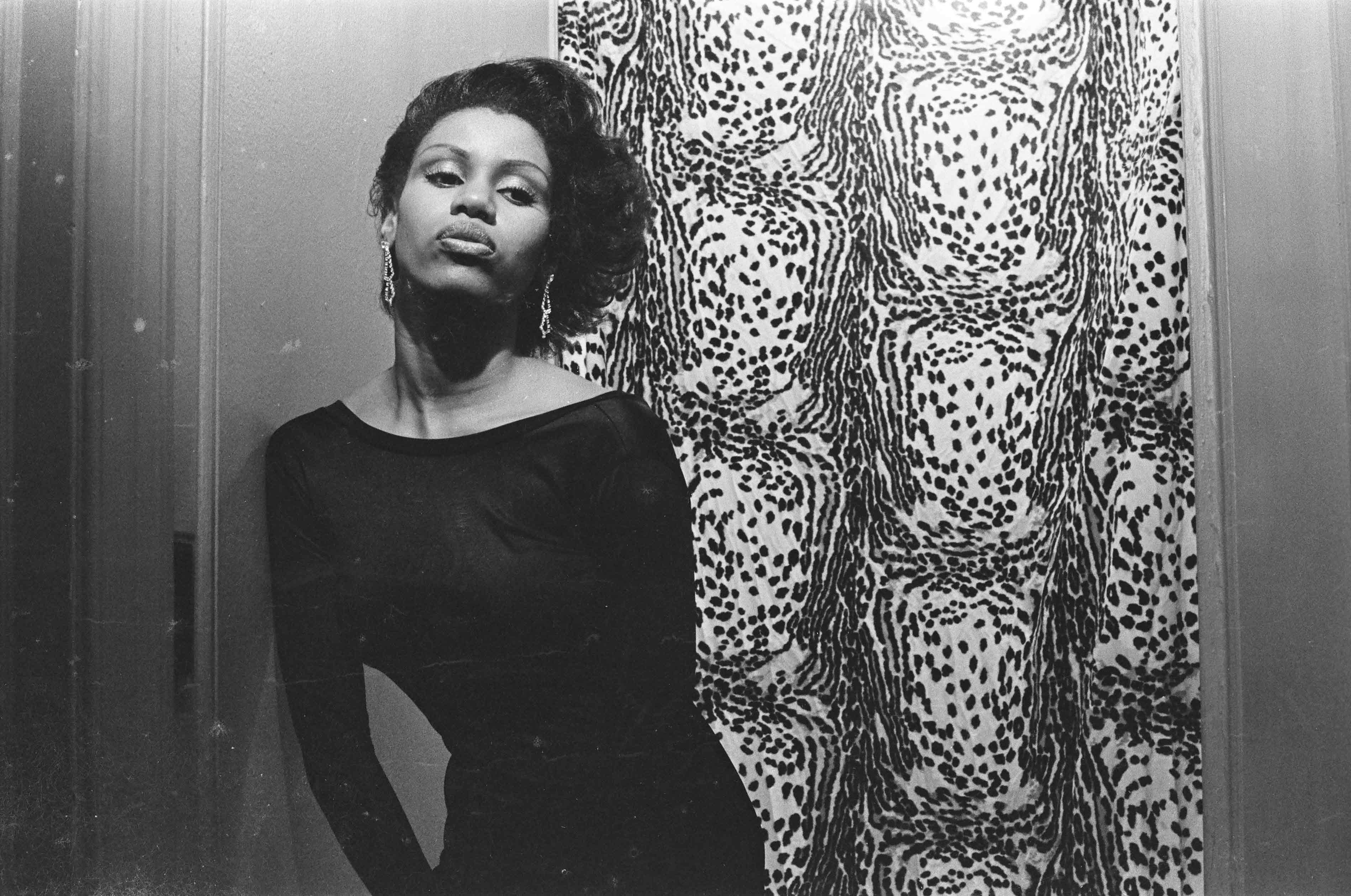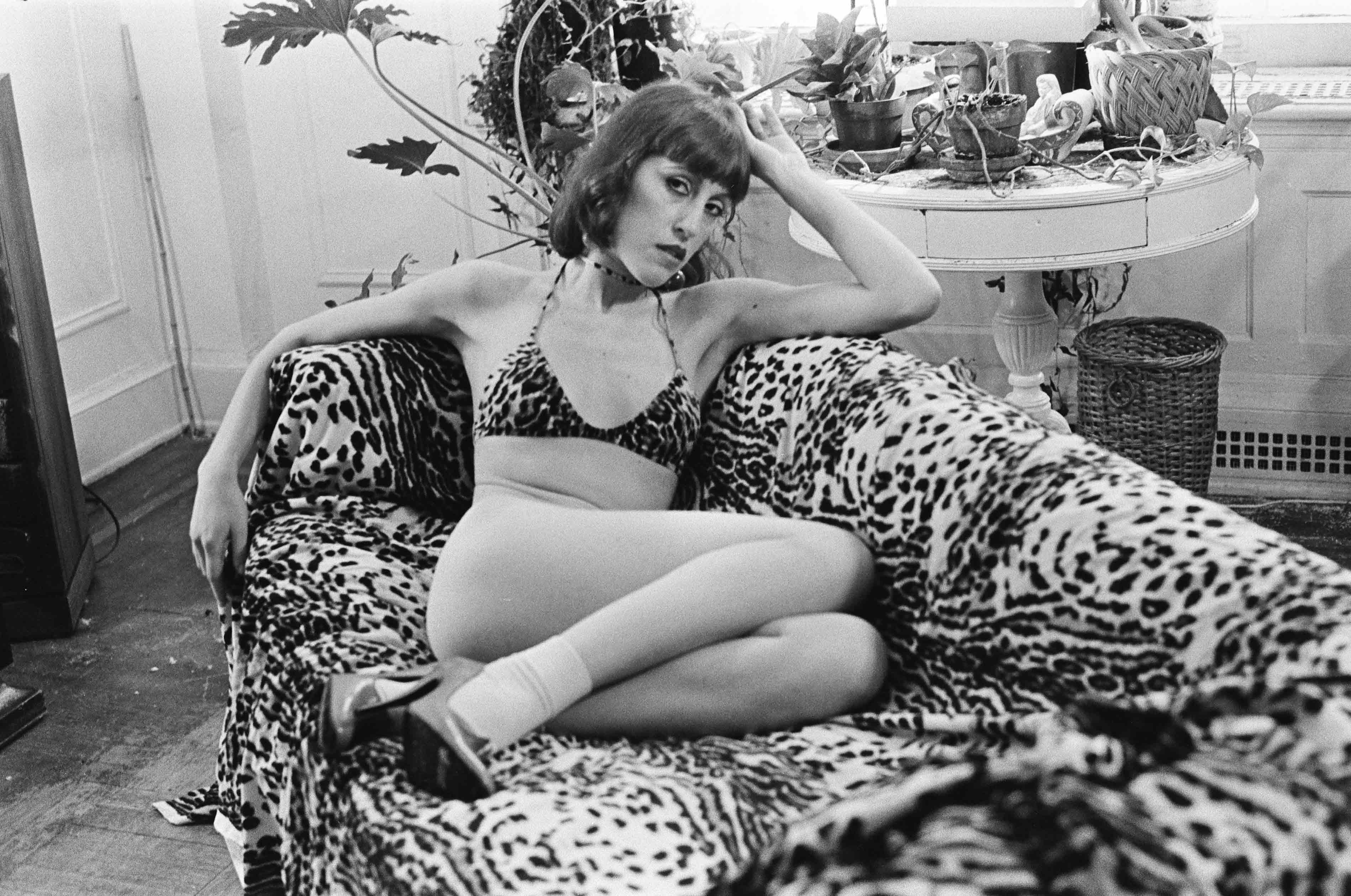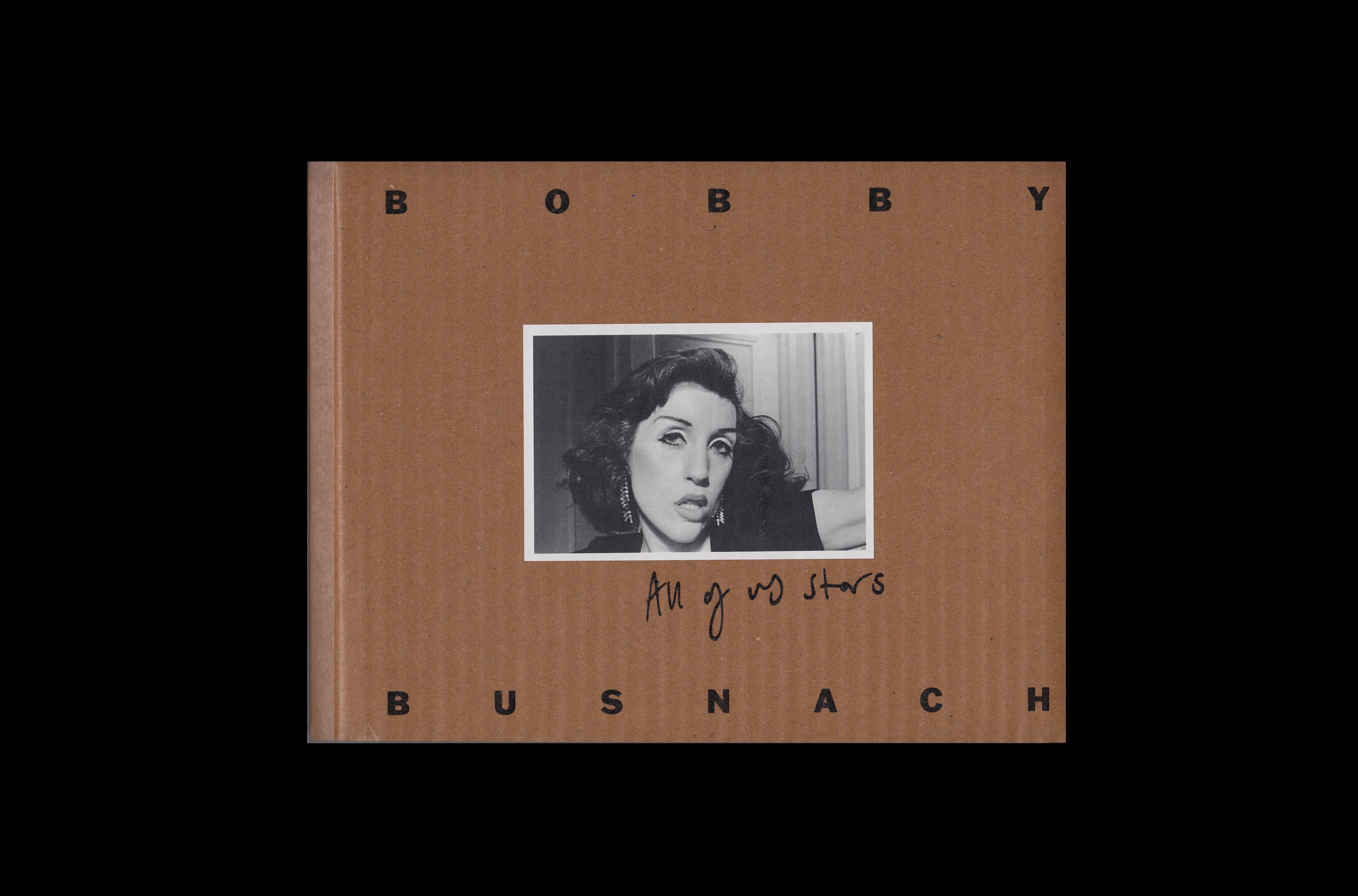

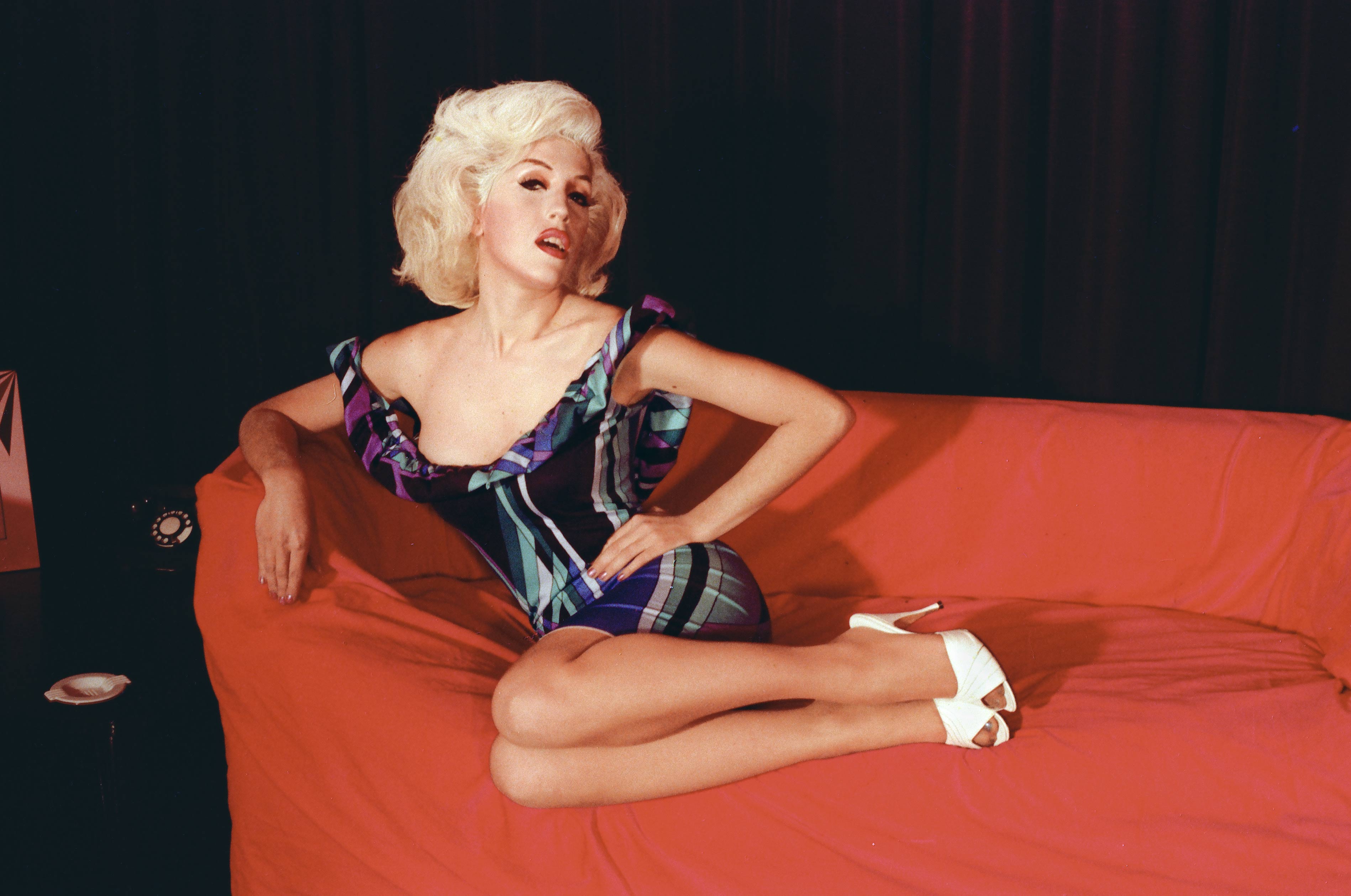
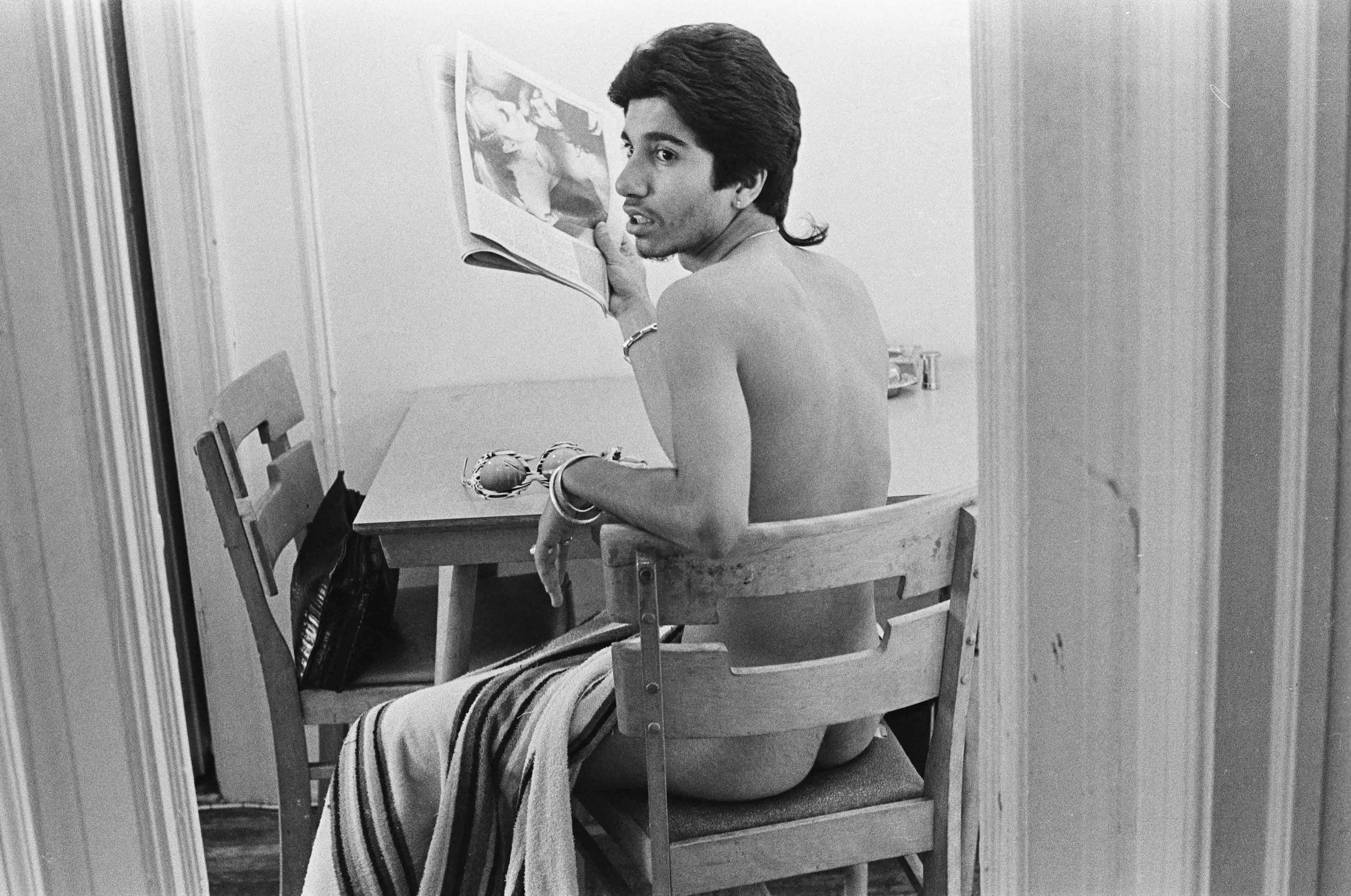
In the mid-70s, inside a worn-down apartment on the Upper West Side, across from the Dakota — where the mythology of celebrity met one of its most obsessive ruptures — Bobby Busnach staged scenes in which friends and nightlife companions slipped into heightened versions of themselves: glamorous, controlled, untouchable. Marilyn Monroe’s face appears in several frames as a poster on the wall, fragile, endlessly reproduced, always ready to be looked at. For Busnach, she became a way to think through his own position: a queer teenager leaving a violent, unstable home and arriving in New York largely on his own. That proximity to both fantasy and its fallout runs through his negotiation with iconic figures.
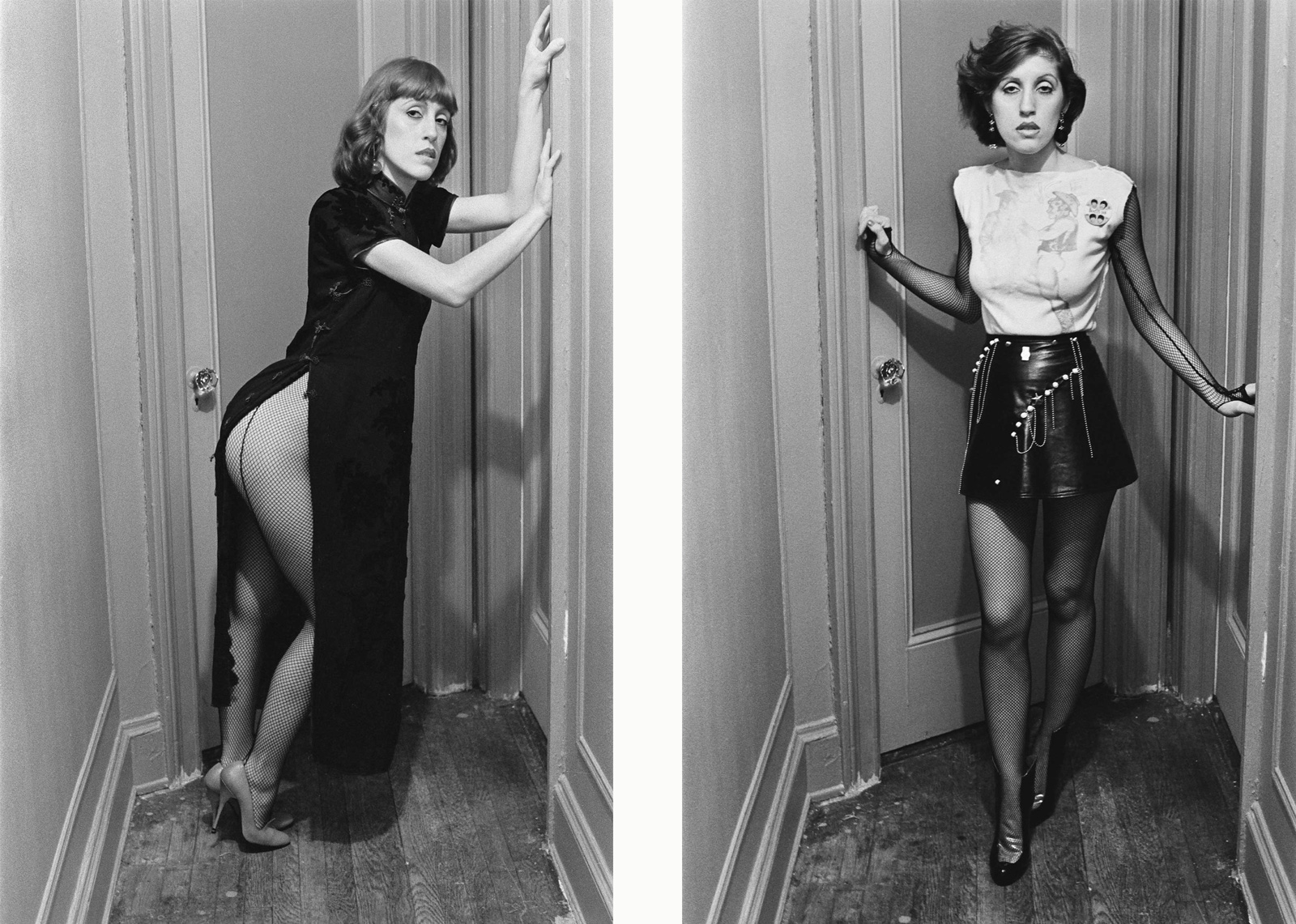
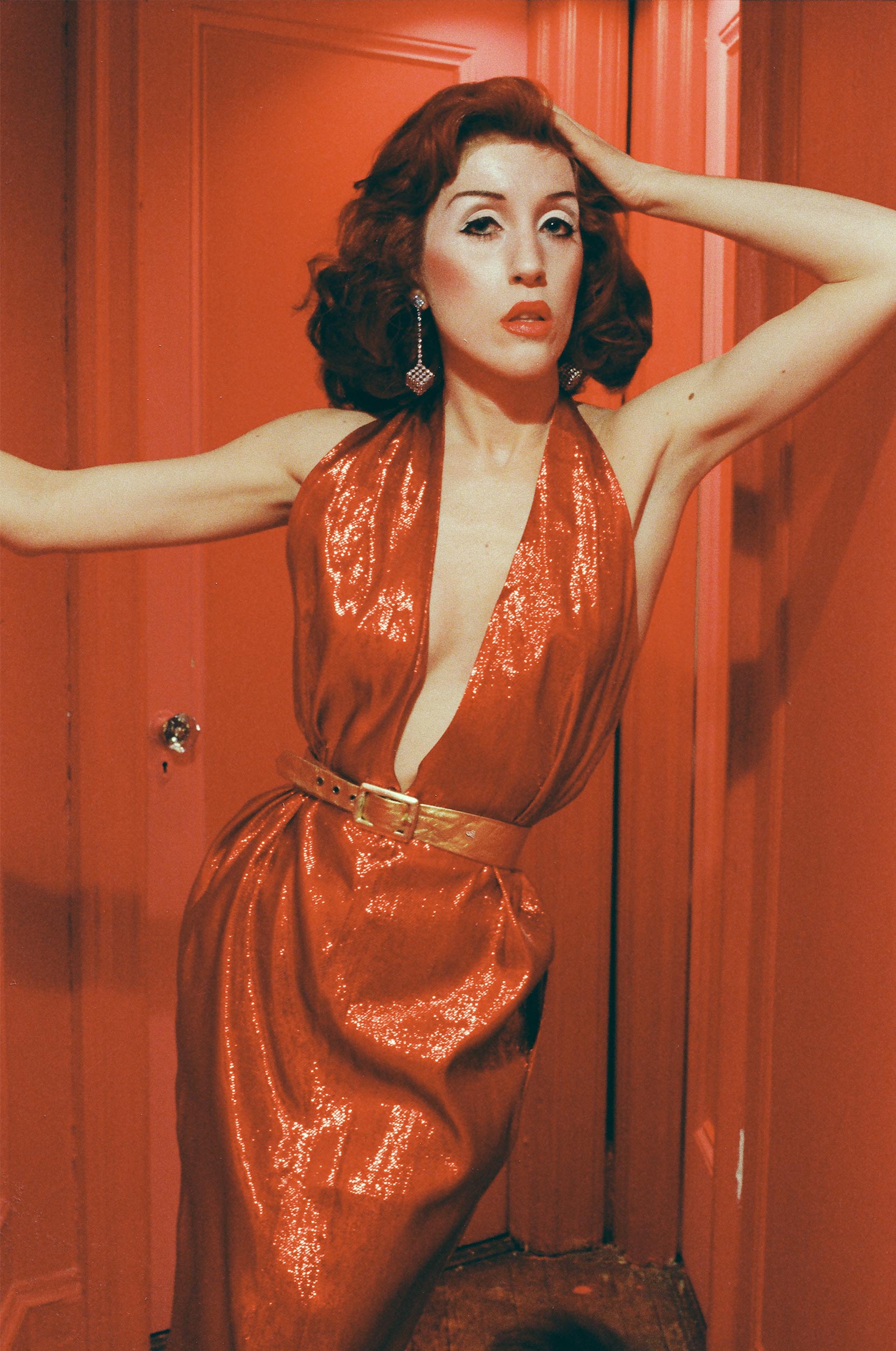
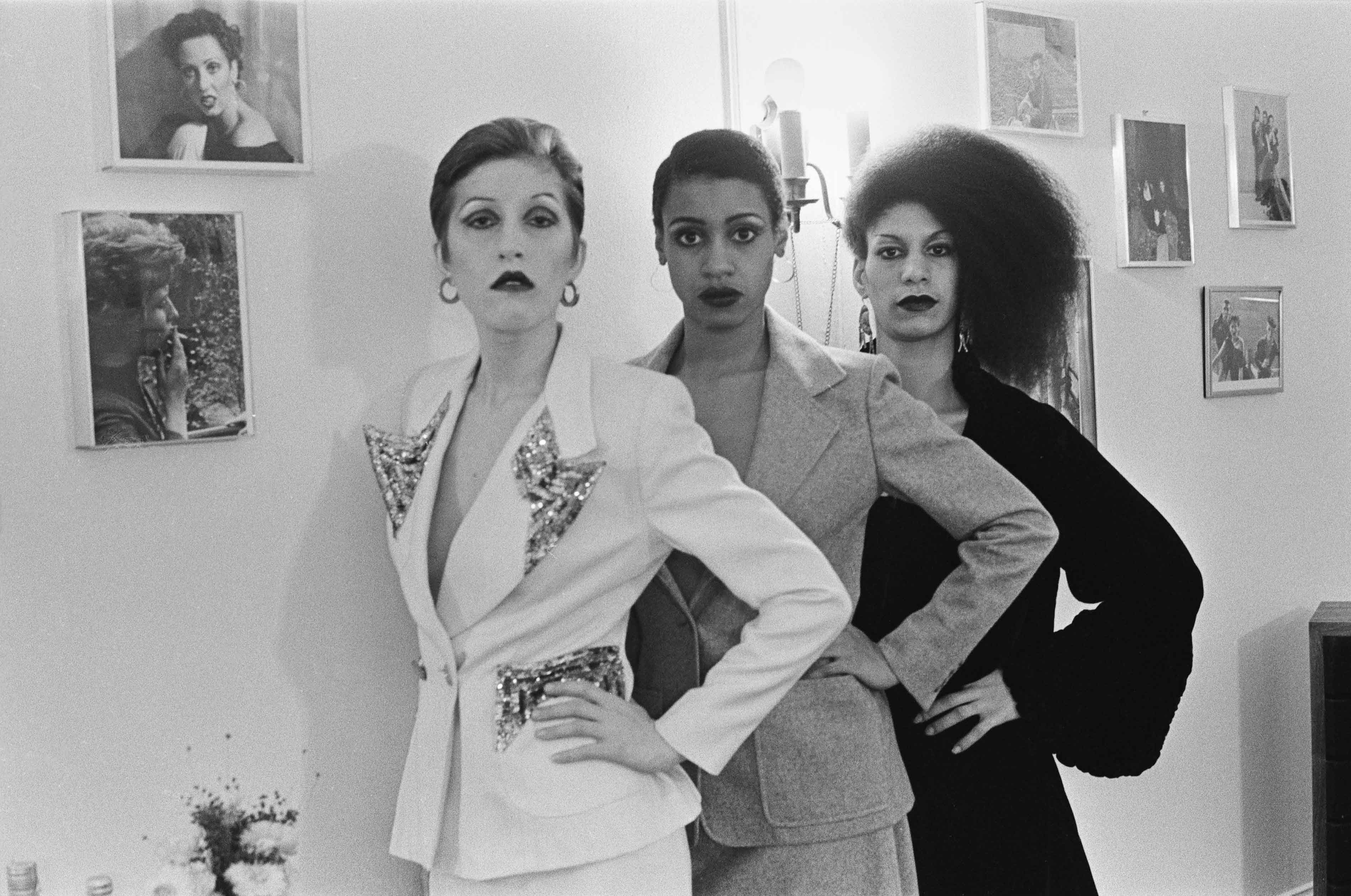
The distance between Busnach and his contemporaries becomes clearest when set against Nan Goldin. Goldin photographed their overlapping scene with unfiltered immediacy; Busnach built an interior cinema. His shoots often ran late into the night — shifting lights, fresh makeup, clothes sourced from FIORUCCI, WESTWOOD, FREDERICK’S OF HOLLYWOOD, STEPHEN BURROWS, and CHARLES JOURDAN. The apartment became a controlled set, a place where the everyday could be rewritten into something heightened. His work leans into illusion, camp, and transformation: not Hollywood glamour itself, but the desire to brush up against it.
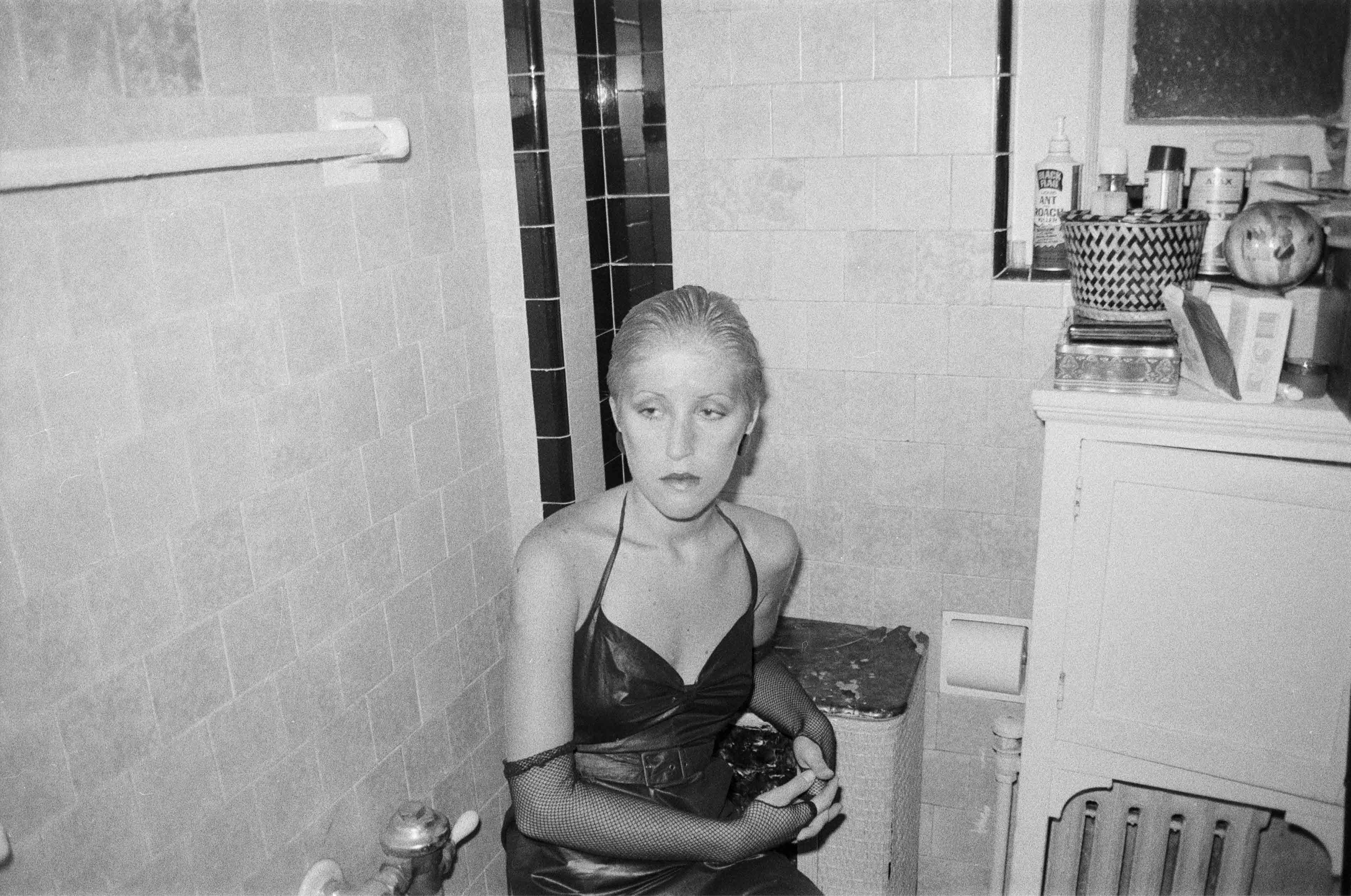
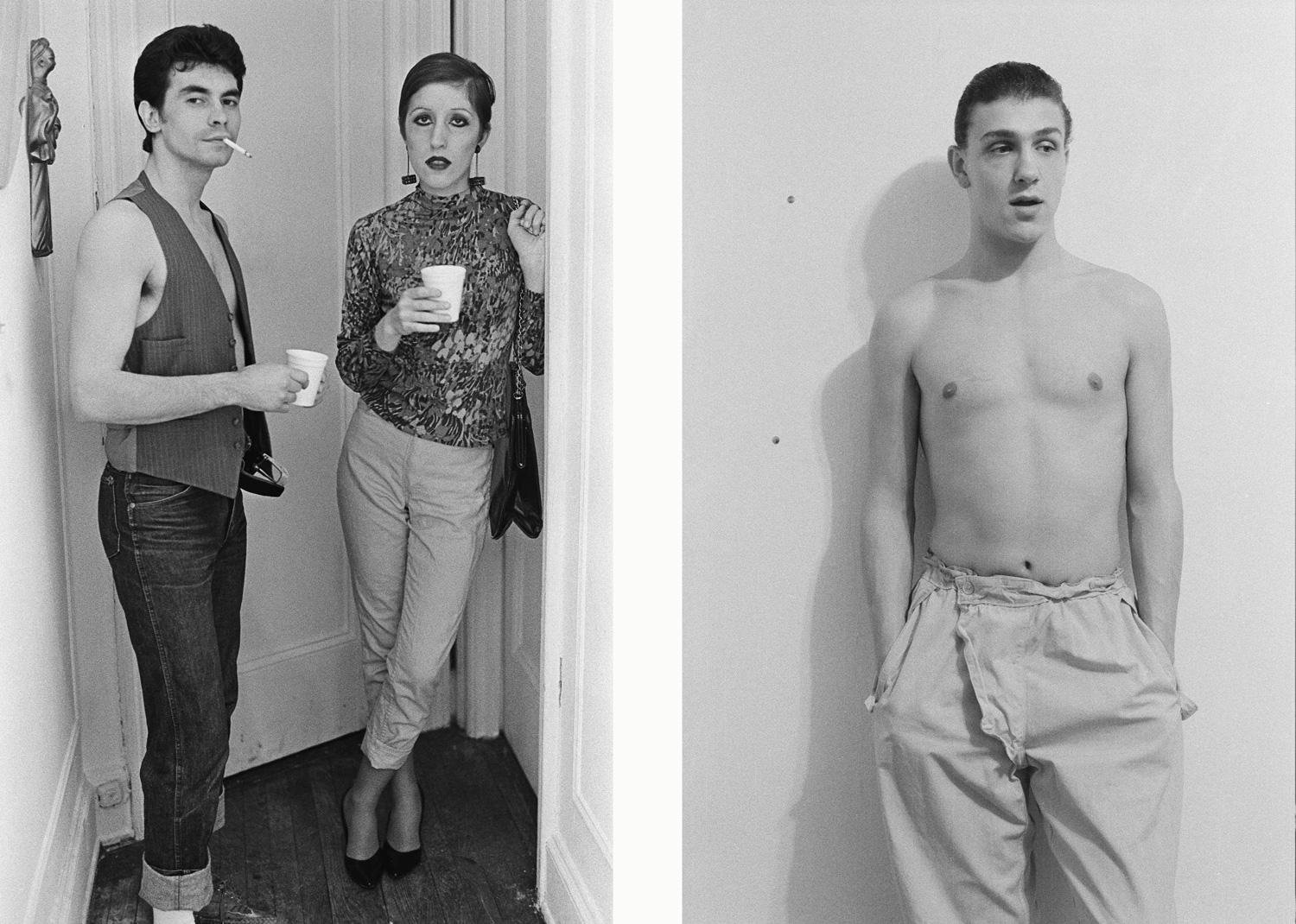
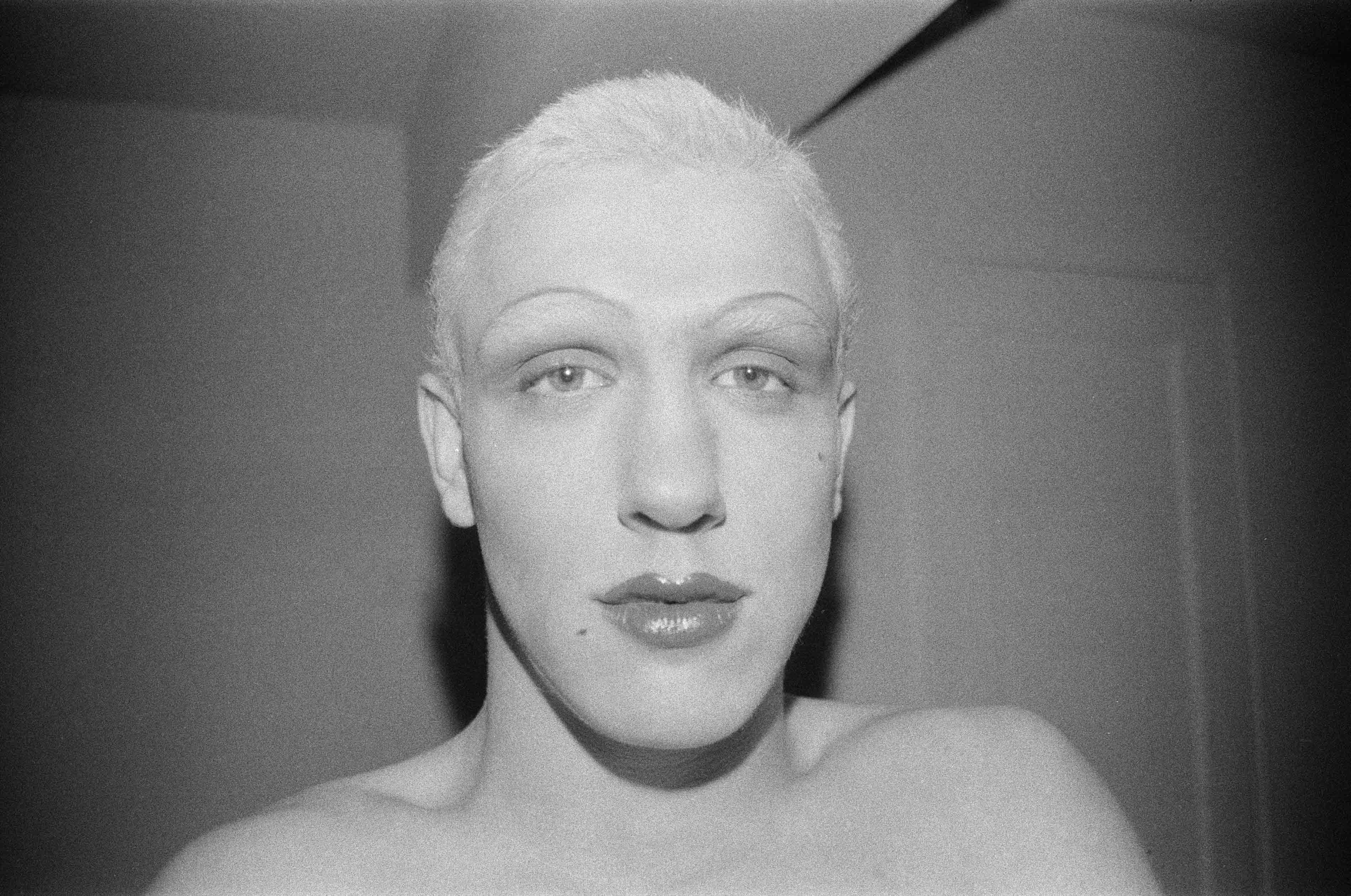
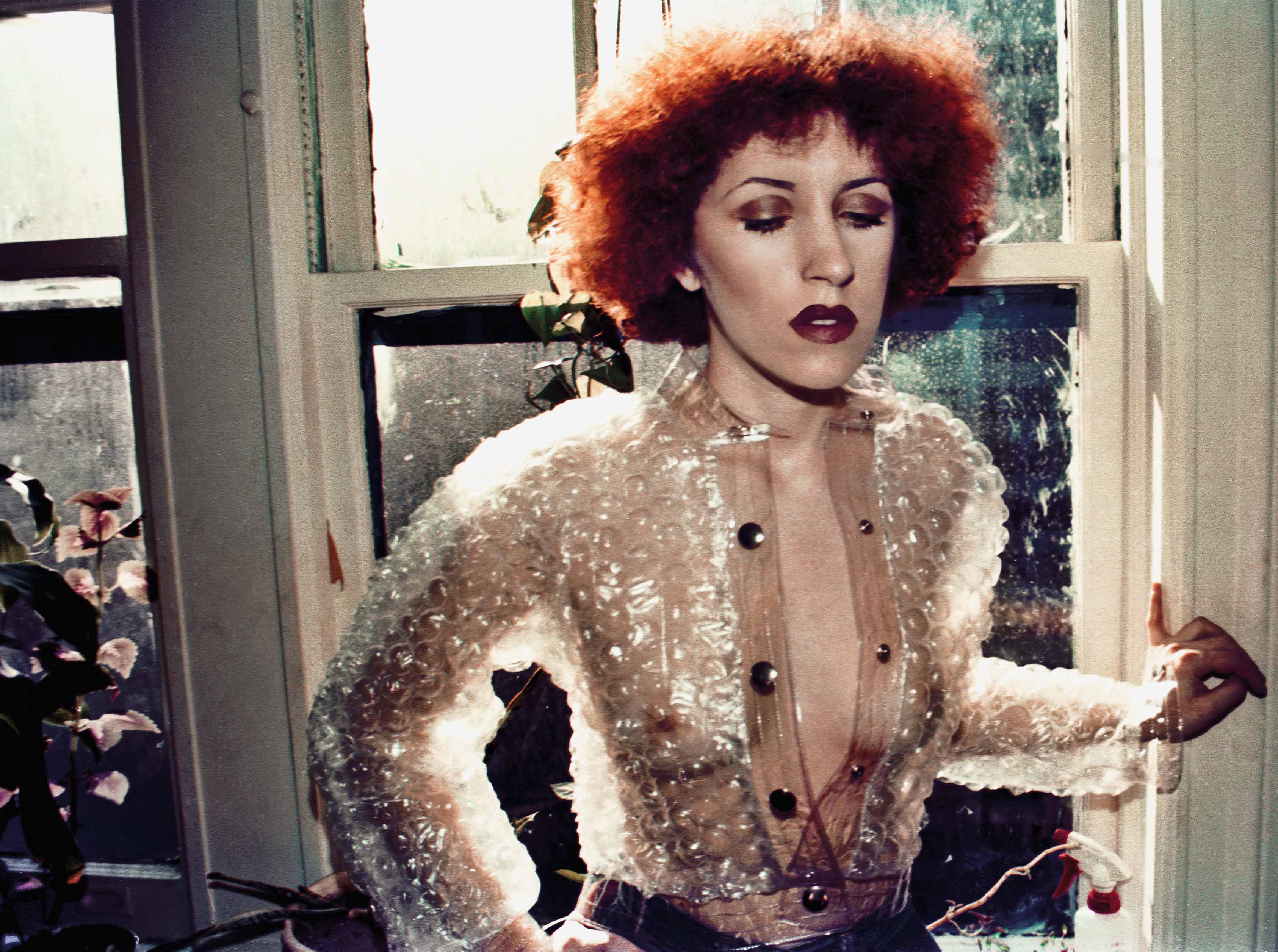
At the centre stands Geraldine Visco — muse, collaborator, and the gravitational force of the Park Royal series. Their shared past, marked by instability and fierce interdependence, runs through the images and sharpens their tension. Visco financed much of their life and Busnach’s photographic work through sex work, some of it arranged via listings in SCREW magazine, and virtually all the clothes seen in the images belonged to her, while he handled styling, direction, and the choreography of each scene. The pictures that emerged feel intimate and electric, unmistakably shaped by these conditions. Seen today, they show two people using photography to endure, to recast themselves, and to inhabit, momentarily, the staged world they made for themselves.